




Diode pico hair tattoo removal machine, The Future of Hair and Tattoo Removal is Here
2025-10-21

There is a clear trend in aesthetic devices combining (a) diode-laser hair-removal capability with (b) pico- or ultra-short-pulse lasers (picosecond) for tattoo and pigment removal. One industry-analysis piece notes that “picosecond lasers reduce treatment sessions by ~30% and improve safety for darker skin-tones.” ([Accio][1])
Separate product-announcements show “2 in 1” machines offering a diode-wavelength handle (for hair removal) plus a picosecond/ND-YAG (or multi-wavelength) handle for tattoo/ pigment removal.
In the tattoo-removal space, ultrashort pulse devices (picosecond) are seeing increased attention: one article states they offer “faster results with fewer sessions, compatible with darker skin types, and more effective even on stubborn ink colours.”
In short: the market is evolving toward hybrid machines that offer multiple modalities (hair removal + tattoo/pigment removal) and more advanced laser technologies (picosecond, multi-wavelength, AI/automation).
Separate product-announcements show “2 in 1” machines offering a diode-wavelength handle (for hair removal) plus a picosecond/ND-YAG (or multi-wavelength) handle for tattoo/ pigment removal.
In the tattoo-removal space, ultrashort pulse devices (picosecond) are seeing increased attention: one article states they offer “faster results with fewer sessions, compatible with darker skin types, and more effective even on stubborn ink colours.”
In short: the market is evolving toward hybrid machines that offer multiple modalities (hair removal + tattoo/pigment removal) and more advanced laser technologies (picosecond, multi-wavelength, AI/automation).
Why the shift? Key drivers
1.Efficiency & session reduction.** For tattoo removal especially, picosecond lasers allow ink fragmentation more effectively, reducing the number of visits.
2. Skin-type safety and broader applicability.** Traditional lasers struggled with darker skin tones or certain ink colours; the new devices claim improved safety and efficacy across skin types.
3. Demand for multi-functionality / space-economy.** Clinics and med-spas want devices that can handle multiple treatments (hair removal, tattoo removal, pigment/spots) rather than buying separate machines. For example, one device described as “2 in 1: Diode laser + Nd YAG laser (hair removal + tattoo removal)” with remote-control and smart screen features.
4. Market growth and competitive pressure.** The laser aesthetic-device market is becoming more crowded; manufacturers differentiate via advanced features (picosecond, AI, multi-wavelength) and by targeting the emerging global markets (Asia-Pacific, Latin America) with more affordable devices.
2. Skin-type safety and broader applicability.** Traditional lasers struggled with darker skin tones or certain ink colours; the new devices claim improved safety and efficacy across skin types.
3. Demand for multi-functionality / space-economy.** Clinics and med-spas want devices that can handle multiple treatments (hair removal, tattoo removal, pigment/spots) rather than buying separate machines. For example, one device described as “2 in 1: Diode laser + Nd YAG laser (hair removal + tattoo removal)” with remote-control and smart screen features.
4. Market growth and competitive pressure.** The laser aesthetic-device market is becoming more crowded; manufacturers differentiate via advanced features (picosecond, AI, multi-wavelength) and by targeting the emerging global markets (Asia-Pacific, Latin America) with more affordable devices.
Technical features & what to look for
When evaluating a machine that claims diode hair removal + pico/tattoo removal, here are key features that matter:
Wavelengths
For hair removal: diode lasers often use ~755 nm, 808 nm, 1064 nm (covering different hair/skin types). For tattoo/pigment removal: picosecond lasers use wavelengths such as 532 nm, 1064 nm, 1320 nm, 755 nm (to target different ink colours and depths).
Pulse duration
The “pico” in picosecond refers to one trillionth of a second; by contrast, older Q-switched lasers are in the nanosecond range (billionth of a second). The shorter pulse means less heat diffusion, more precise targeting, less collateral damage.
spot size & energy density
Larger spot sizes allow quicker coverage (eg for hair-removal). Adjustable spot sizes and high energy density improve flexibility. Example: spot sizes 15×18 mm / 15×26 mm / 15×36 mm in a 2-in-1 diode+Nd:YAG machine.
Cooling & safety systems
Since lasers generate heat, good cooling (water/air/compressor), temperature control, and safety features (for various skin types) are important. One machine described “Compressor + integrated water tank + 11 cm thick heat sink” for diode hair removal / tattoo removal combo.
User interface & automation
Smart features: touch-screens, remote control, built-in presets for hair/skin types, tracking usage data. For example one device has a “4K 15.6-inch Android screen … remote control system … view treatment data remotely”.
For hair removal: diode lasers often use ~755 nm, 808 nm, 1064 nm (covering different hair/skin types). For tattoo/pigment removal: picosecond lasers use wavelengths such as 532 nm, 1064 nm, 1320 nm, 755 nm (to target different ink colours and depths).
Pulse duration
The “pico” in picosecond refers to one trillionth of a second; by contrast, older Q-switched lasers are in the nanosecond range (billionth of a second). The shorter pulse means less heat diffusion, more precise targeting, less collateral damage.
spot size & energy density
Larger spot sizes allow quicker coverage (eg for hair-removal). Adjustable spot sizes and high energy density improve flexibility. Example: spot sizes 15×18 mm / 15×26 mm / 15×36 mm in a 2-in-1 diode+Nd:YAG machine.
Cooling & safety systems
Since lasers generate heat, good cooling (water/air/compressor), temperature control, and safety features (for various skin types) are important. One machine described “Compressor + integrated water tank + 11 cm thick heat sink” for diode hair removal / tattoo removal combo.
User interface & automation
Smart features: touch-screens, remote control, built-in presets for hair/skin types, tracking usage data. For example one device has a “4K 15.6-inch Android screen … remote control system … view treatment data remotely”.
Business / market implications
For clinics/med-spas: these hybrid machines mean you can serve both hair-removal and tattoo/pigment-removal markets with one device, increasing revenue streams and ROI. The ability to treat a wider variety of clients (different skin types, hair types, tattoo colours) is a competitive advantage.
For manufacturers/suppliers: differentiation is moving toward picosecond technology and versatile machines, rather than basic diode or Q-switched lasers alone. According to trend data, investment in multi-wavelength and AI-driven devices is an emerging theme. ([Accio][1])
For patients/consumers: Expect fewer sessions, less downtime, broader skin-tone suitability, and more aesthetic options (hair removal, tattoo removal). But be cautious: costs may be higher (for devices and thus for treatments). One consumer-oriented article cautions that while pico lasers cost more per session, the long-term value may be better. ([nubway.com][3])
For manufacturers/suppliers: differentiation is moving toward picosecond technology and versatile machines, rather than basic diode or Q-switched lasers alone. According to trend data, investment in multi-wavelength and AI-driven devices is an emerging theme. ([Accio][1])
For patients/consumers: Expect fewer sessions, less downtime, broader skin-tone suitability, and more aesthetic options (hair removal, tattoo removal). But be cautious: costs may be higher (for devices and thus for treatments). One consumer-oriented article cautions that while pico lasers cost more per session, the long-term value may be better. ([nubway.com][3])
Risks, caveats & things to watch
Cost & value-economics: High-end picosecond devices can cost significantly more. Some manufacturers point out “there are many fake picoseconds on the market… a real picosecond will not be too cheap.”
Vendor claims vs independent data**: Many product-pages boast multi-wavelength, hair+tattoo removal combo; independent clinical data (long-term outcomes, side-effects across skin tones) may be limited.
Skin-type & pigmentation risk**: While newer machines claim better safety for darker skin, any laser treatment still carries risk of hypo- or hyper-pigmentation, scarring, especially if parameters aren’t well matched.
Training / operator skill: A machine is only as good as its operator. Proper parameter selection (wavelength, fluence, spot size) matters for safety and outcomes.
After-care & consulting**: Especially for tattoo removal, ink colour, depth, skin reaction, and patient compliance matter. Even with picosecond lasers, multiple sessions may be needed. ([nubway.com][3])
Vendor claims vs independent data**: Many product-pages boast multi-wavelength, hair+tattoo removal combo; independent clinical data (long-term outcomes, side-effects across skin tones) may be limited.
Skin-type & pigmentation risk**: While newer machines claim better safety for darker skin, any laser treatment still carries risk of hypo- or hyper-pigmentation, scarring, especially if parameters aren’t well matched.
Training / operator skill: A machine is only as good as its operator. Proper parameter selection (wavelength, fluence, spot size) matters for safety and outcomes.
After-care & consulting**: Especially for tattoo removal, ink colour, depth, skin reaction, and patient compliance matter. Even with picosecond lasers, multiple sessions may be needed. ([nubway.com][3])
What to expect next
* More combination devices(hair + tattoo/pigment + skin-rejuvenation) will emerge, giving clinics “multi-treatment” platforms.
* Greater automation and AI: According to trend data, devices that adjust in real-time based on skin response, hair density, ink depth are predicted to increase.
* Broader skin-type compatibility: More focus on safe treatment for Fitzpatrick IV–VI (darker skin types) and for “difficult hair” (light blonde, grey) or “hard-to-remove” inks.
* Entry-level versions for smaller clinics / emerging markets will appear, but there may be differentiation in true “picosecond” quality vs “near-picosecond” marketing.
* Regulatory scrutiny may increase: Devices promising “permanent hair removal” or “one-session tattoo removal” may draw closer examination. Clinicians should look for certifications, published data.
* Greater automation and AI: According to trend data, devices that adjust in real-time based on skin response, hair density, ink depth are predicted to increase.
* Broader skin-type compatibility: More focus on safe treatment for Fitzpatrick IV–VI (darker skin types) and for “difficult hair” (light blonde, grey) or “hard-to-remove” inks.
* Entry-level versions for smaller clinics / emerging markets will appear, but there may be differentiation in true “picosecond” quality vs “near-picosecond” marketing.
* Regulatory scrutiny may increase: Devices promising “permanent hair removal” or “one-session tattoo removal” may draw closer examination. Clinicians should look for certifications, published data.
Final thoughts
The merging of diode laser hair-removal technology with picosecond (or multi-wavelength tattoo/pigment-removal) systems is a strong trend in the aesthetic-device market. For clinics, this offers an opportunity to broaden treatment offerings, tap into multiple revenue streams, and provide more efficient, safer outcomes for clients. For patients, this means faster, more effective treatments, and broader accessibility across skin types and treatment types.
However, as always: the device is only as good as the operator and the clinical protocols. Due diligence—on machine specs, vendor credibility, clinical data, training, and after-care—is essential. If you are considering investing in such a machine (or selecting a clinic offering these treatments), it’s wise to ask about: wavelengths, pulse duration (true picosecond vs nanosecond), spot sizes, cooling systems, clinical studies, patient outcomes (especially for dark skin), safety features, and total cost (including consumables, maintenance, downtime).
If you like, I can **pull up the latest models** of “diode + pico” machines (with specs & pricing) so you can compare what’s available right now in the U.S./global market. Would you like that?
 High-Energy Intelligent Medical Shockwave Machine for Clinic and Rehabilitation Center
  PDT LED Photodynamic Therapy Light Device Innovative Technology Functional Advantages
 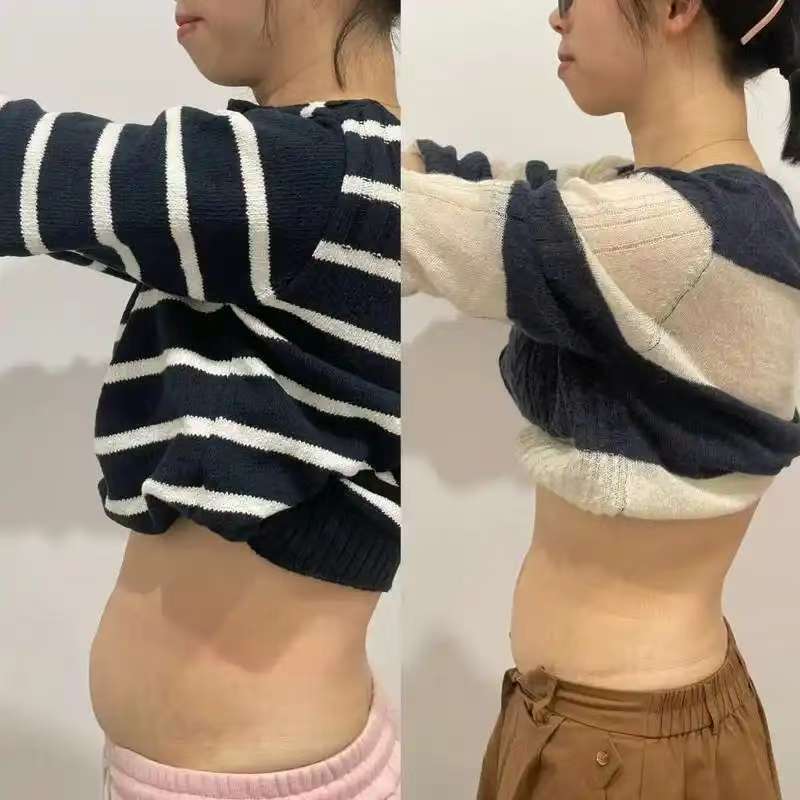 Cryolipolysis Equipment Technological Innovation and Industrial Application
  BBL NIR ND YAG Laser Machine Redefine Multi Modality Aesthetic Workflow for Modern Clinics
 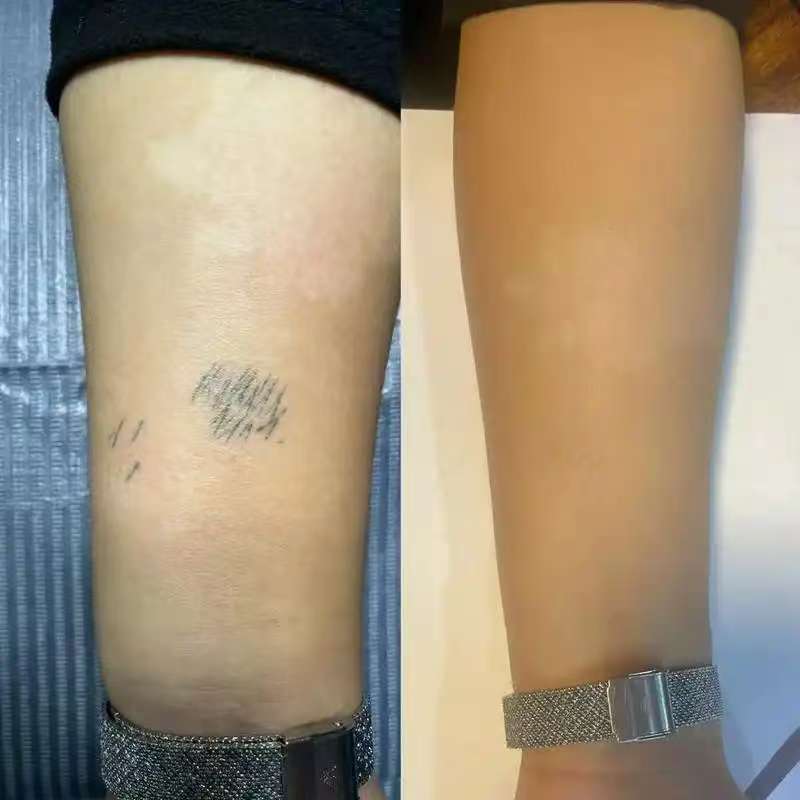 Picosecond Laser Machine Core Technology Industrial Advantages and Global Application Prospects
  Diode Laser Hair Removal Machine Advanced Technology for Permanent, Safe and Full Skin
  Picosecond Laser Tattoo Removal Machine Core Technology, Advantages and Clinical Application Prospects
  980nm Precision Diode Laser Device Professional Solution for Red Blood Streak Removal and Skin Rejuvenation
  Professional Picosecond laser tattoo removal machine with Multi-Wavelength System
  Commercial Grade BBL NIR Laser Hair Removal Machine for Full Body Hair Removal
  Professional AI Skin Analyzer Machine Manufacturer Factory Direct Supply
  Emsculpt body slimming machine 4 Handles OEM ODM For Beauty Salon
  Technological Innovation and Production Skin analysis equipment
 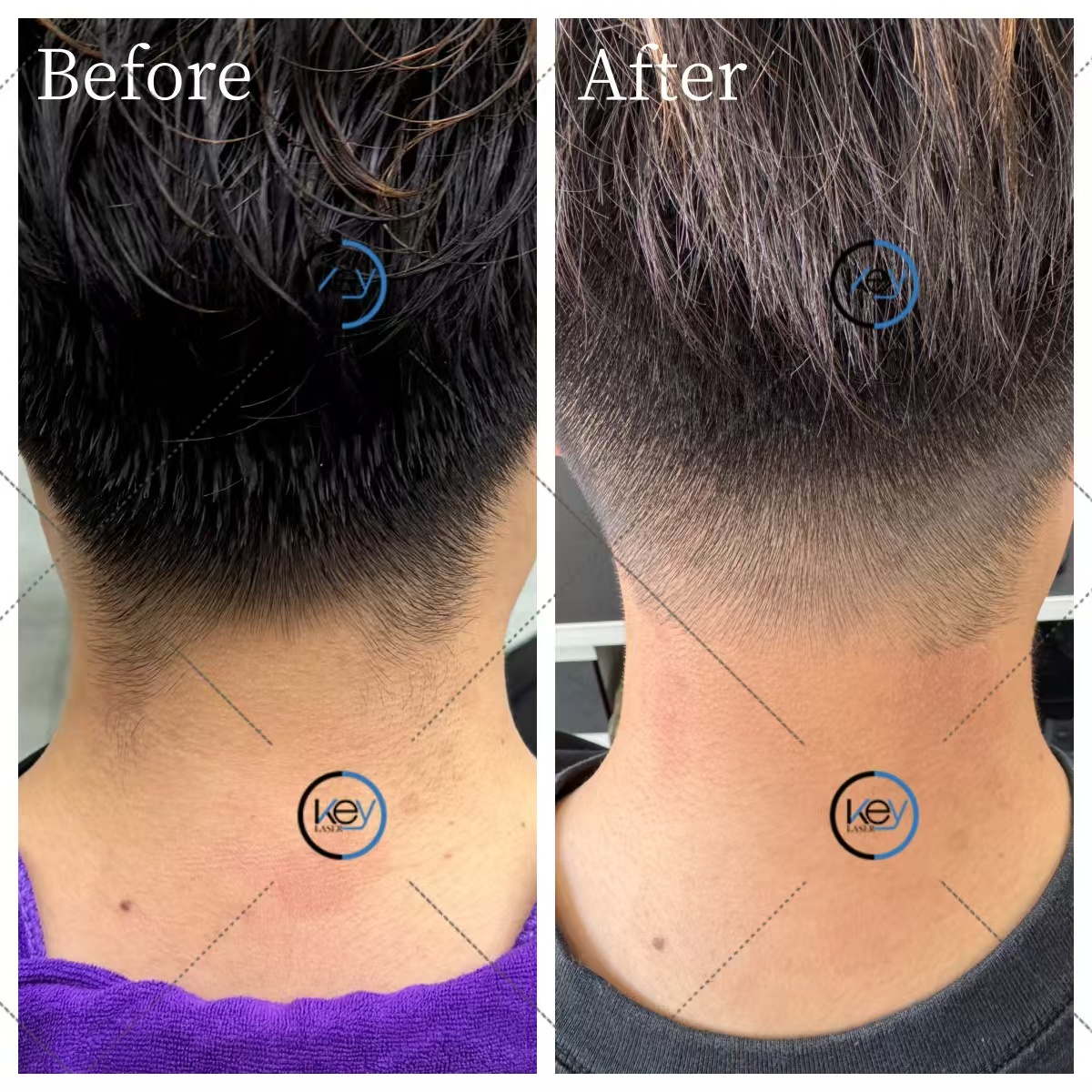 Alexandrite laser 755nm nd yag 1064nm machine Hair Tattoo Removal Skin Rejuvenation
  Hydrafacial Machine CE certified for beauty clinic wholesale purchase
  Fusion Plasma Machine ideal for beauty salon aesthetic clinic wholesale
 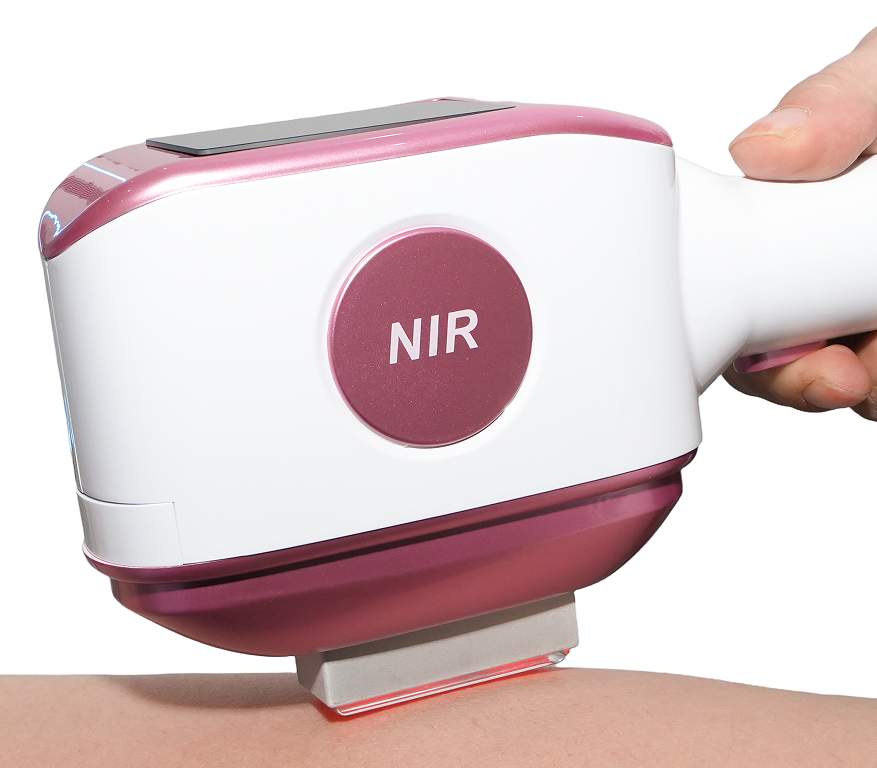 BBL NIR Hair Removal Machine for Salon Clinic Fast Safe All Skin Types
  Professional radio frequency machine for anti aging skin rejuvenation and body shaping
  5 in 1 Vela Shape Machine Cavitation Vacuum RF Roller Fat Reduction Device
  Fusion plasma beauty machine Professional Cold Hot Plasma Skin Rejuvenation Device