




Hair Care Device Production Technology for Professional Hair Treatment
Hair Care Device Market Research Report (2026-2030)
I. Market Status and Growth Drivers
Market Size and Growth Rate: The global hair care device market is experiencing rapid growth, with the market size projected to exceed 29.8 billion yuan in 2025 and reach 45 billion yuan in 2030, representing a compound annual growth rate (CAGR) of 6.0%-8.5%. China, as the core growth engine, has seen the penetration rate of home-use hair removal devices increase from 3.2% in 2020 to 9.8% in 2025, while the market size of professional medical devices (such as laser hair regrowth devices) is growing by 19.5% during the same period. Driving factors include:
The Rise of the "Appearance Economy": With over 250 million people experiencing hair loss, 70% of whom are under 30, this has spurred a demand for hair management services worth hundreds of billions of yuan.
Accelerated Technological Iteration: AI algorithms and radiofrequency laser composite technologies are driving a 40% increase in device efficiency and a 30% reduction in treatment cycles.
Policy Dividends: China's "Healthy China 2030" policy supports the R&D of medical aesthetic equipment, with the central government allocating 300 million yuan in special subsidies in 2024.
Market Segmentation:
Home-use devices: Accounting for 60% of the market share, mainly hair removal devices (average price 1200-3000 yuan) and scalp massagers, with online sales accounting for over 50%.
Professional medical equipment: Laser hair regrowth devices, hair transplant robots, etc., account for 40%, with public hospitals and high-end medical aesthetic institutions as the main purchasers, and the price of a single device reaching 100,000-500,000 yuan.
Emerging categories: Bio-enzyme hair removal cream (annual growth rate of 25%) and wearable hair regrowth helmets (market size of 2.4 billion yuan in 2025) have become dark horses in growth.
II. Technological Trends and Innovation Directions
Core Technology Breakthroughs:
AI-driven precision treatment: AI skin detection systems can identify 9 indicators such as hair follicle density and inflammation index, with a diagnostic accuracy of 0.01mm, promoting personalized treatment plans.
Multimodal Synergistic Technology: A combined laser (630-850nm) + radiofrequency + microneedle device improves treatment efficiency by 50%, and clinical data shows a reduction in hair loss recurrence rate to 12%.
Biotechnology Applications: Stem cell hair follicle cloning technology (50% improved survival rate) and nanozyme targeted repair technology have entered clinical trials.
Intelligent Upgrades
Device Interconnection: Smart devices supporting Bluetooth/Wi-Fi can synchronize cloud data, allowing users to track hair growth cycles via an app, increasing repurchase rates by 35%.
Virtual Hair Trial Technology: AR hair color trial function has increased sales of hair dyeing devices by 40%, shortening the user decision-making cycle to 1.2 days.
III. Competitive Landscape and Corporate Strategies
Leading Companies' Layout
International Brands: Philips (28% market share in laser hair removal devices) and Braun (19% market share in radiofrequency hair regrowth devices) dominate the high-end market by leveraging technological barriers.
Domestic Companies: Yonghe Medical (35% market share in hair transplant robots) and Lexy Electric (No. 1 exporter of home appliances) capture the mid-to-low-end market through cost-effective strategies.
Differentiated Competition Path
Technological Barrier Building: Leading companies invest over 15% of their revenue in R&D, such as Bangce Medical's HAIRO hair transplant robot, which has obtained Class III medical device certification in China.
Ecosystem Closed-Loop Creation: Yonghe Medical's "AI detection + offline treatment + home care" model increases the lifetime value (LTV) of users to 18,000 yuan.
IV. Consumer Needs Insight
Core Pain Points and Preferences
Effectiveness and Safety: 76% of consumers require "painless + permanent hair removal," with male users paying more attention to the device's discreetness (such as miniature design).
Convenience Needs: 62% of users prefer home-use devices, and products with daily usage time of <20 minutes have higher repurchase rates.
Emerging Demand Trends
Rising Male Market: Fitness enthusiasts and business professionals are driving a 30% increase in beard styling device sales, preferring "one-button operation + low pain" designs.
Environmental Demands: The penetration rate of biodegradable packaging devices is expected to increase from 12% in 2020 to 35% in 2025.
V. Policy and Risk Analysis
Regulatory Environment
Standard Upgrade: The "Hair Therapy Service Standard" will be implemented in 2025, requiring laser equipment energy output error to be ≤±5%, eliminating 30% of low-end production capacity.
Certification Barriers: The approval cycle for Class III medical devices has been extended to 18 months, putting pressure on small and medium-sized manufacturers due to rising compliance costs.
Main Risks
Technological Homogenization: 60% of companies rely on OEM manufacturing, and the import dependence rate for core components (such as laser modules) reaches 78%.
Supply Chain Fluctuations: The price of medical-grade optical fibers has increased by 15% annually, affecting the overall cost control of the system.
VI. Future Outlook and Recommendations
Growth Opportunities
Lower-Tier Markets: Consumption upgrades in third-tier and lower-tier cities, with county-level equipment procurement growing at an annual rate of 24.5%. It is recommended to develop an "equipment + service subscription" model.
Cross-Border Expansion: Imports to the Southeast Asian market have increased by 67% annually. Focus on promoting mid-range laser equipment (price range of US$500-1500).
Strategic Recommendations
R&D Investment: Focus on AI diagnostic algorithms (shortening the R&D cycle to 12 months) and miniaturization design (reducing device size by 40%).
Channel Optimization: Online live-streaming sales contribute 37% of new customer traffic; KOL collaborations and scenario-based content marketing need to be strengthened.
 High-Energy Intelligent Medical Shockwave Machine for Clinic and Rehabilitation Center
  PDT LED Photodynamic Therapy Light Device Innovative Technology Functional Advantages
  Cryolipolysis Equipment Technological Innovation and Industrial Application
 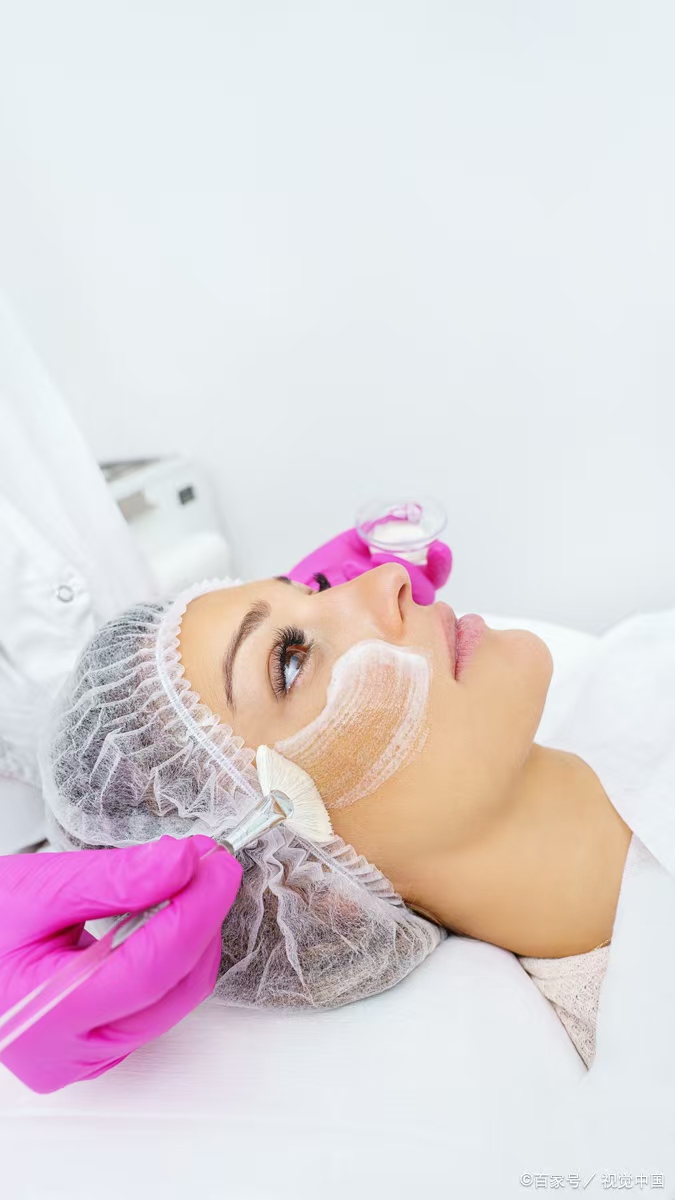 BBL NIR ND YAG Laser Machine Redefine Multi Modality Aesthetic Workflow for Modern Clinics
 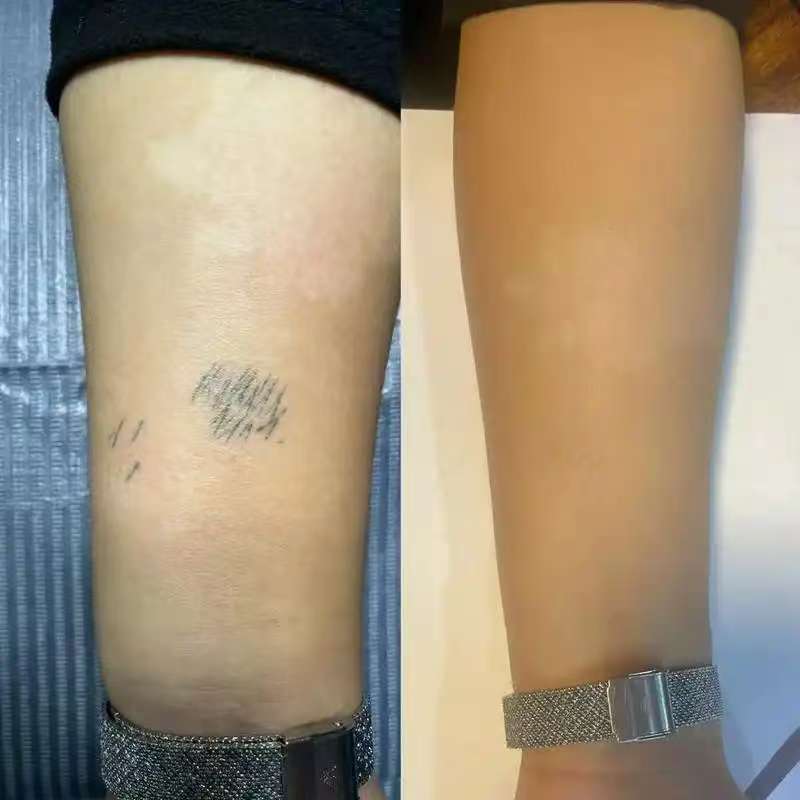 Picosecond Laser Machine Core Technology Industrial Advantages and Global Application Prospects
  Diode Laser Hair Removal Machine Advanced Technology for Permanent, Safe and Full Skin
  Picosecond Laser Tattoo Removal Machine Core Technology, Advantages and Clinical Application Prospects
  980nm Precision Diode Laser Device Professional Solution for Red Blood Streak Removal and Skin Rejuvenation
  Professional Picosecond laser tattoo removal machine with Multi-Wavelength System
  Commercial Grade BBL NIR Laser Hair Removal Machine for Full Body Hair Removal
  Professional AI Skin Analyzer Machine Manufacturer Factory Direct Supply
  Emsculpt body slimming machine 4 Handles OEM ODM For Beauty Salon
  Technological Innovation and Production Skin analysis equipment
 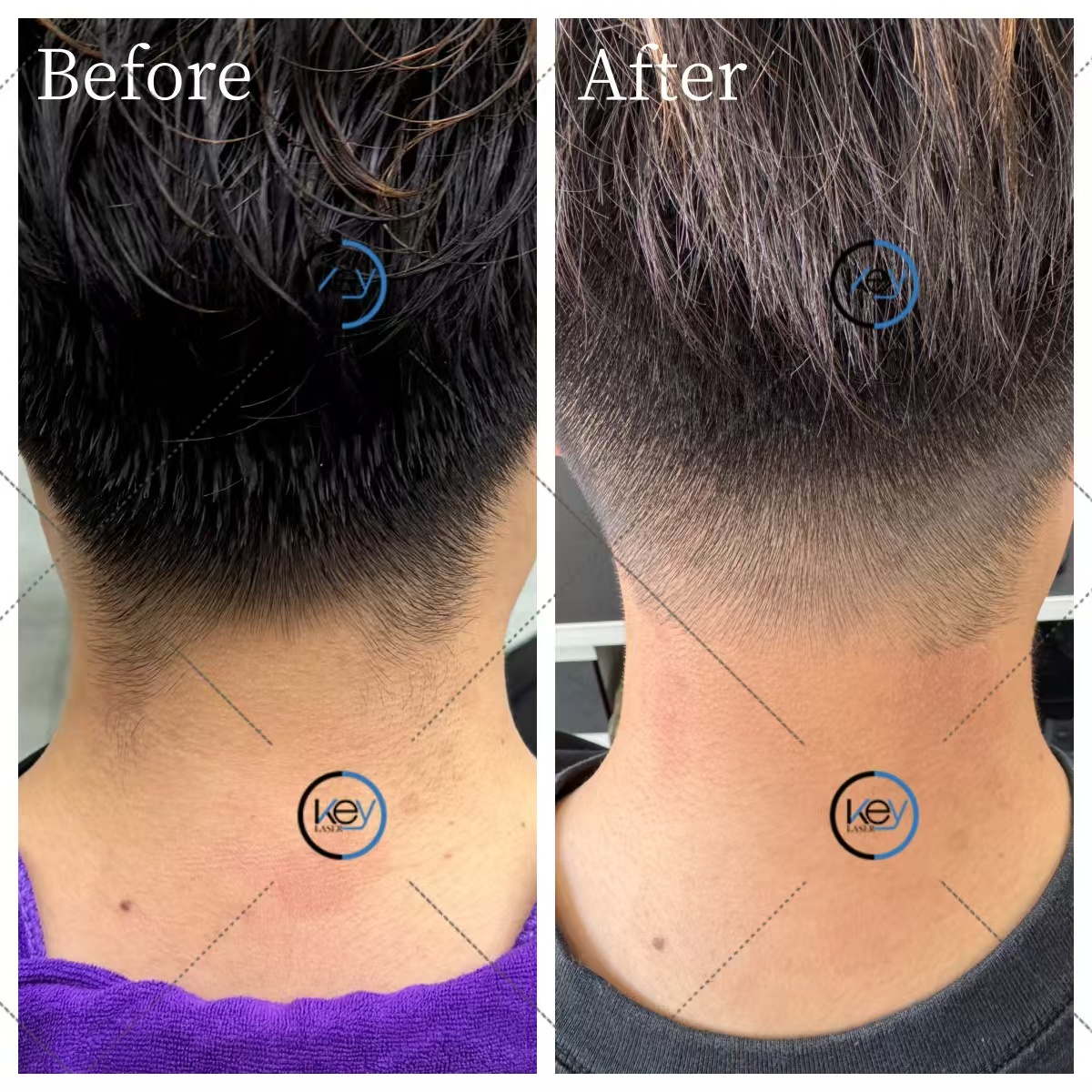 Alexandrite laser 755nm nd yag 1064nm machine Hair Tattoo Removal Skin Rejuvenation
  Hydrafacial Machine CE certified for beauty clinic wholesale purchase
  Fusion Plasma Machine ideal for beauty salon aesthetic clinic wholesale
 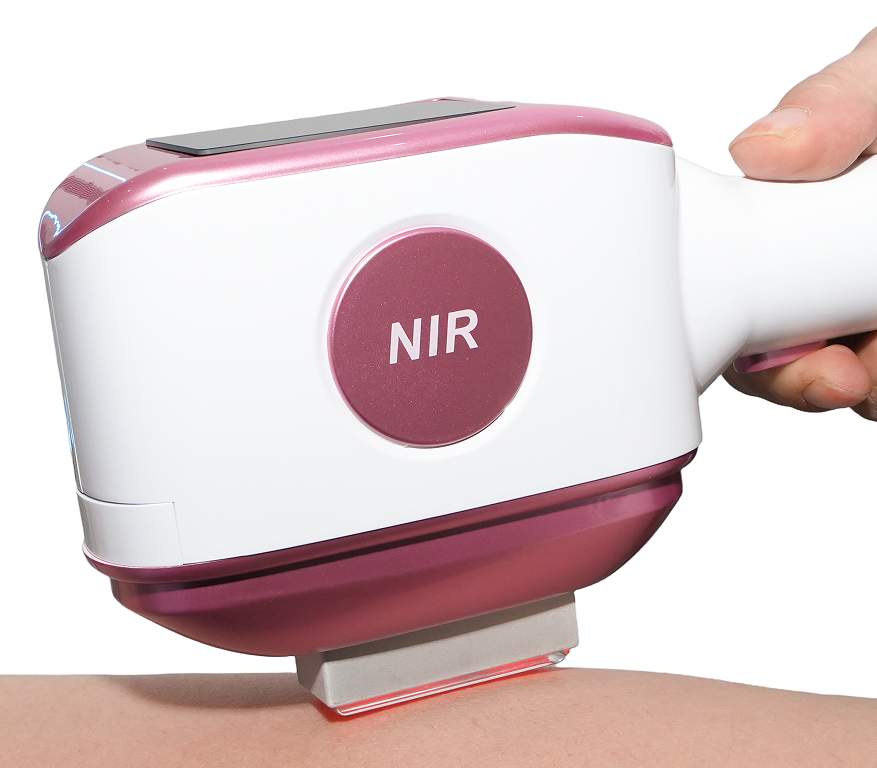 BBL NIR Hair Removal Machine for Salon Clinic Fast Safe All Skin Types
  Professional radio frequency machine for anti aging skin rejuvenation and body shaping
  5 in 1 Vela Shape Machine Cavitation Vacuum RF Roller Fat Reduction Device
  Fusion plasma beauty machine Professional Cold Hot Plasma Skin Rejuvenation Device