




Precision Manufacturing of Diode Laser Hair Removal Machines
2026-05-21

The global demand for professional diode laser hair removal machines continues to surge, driven by the beauty and medical aesthetics industries’ pursuit of safe, efficient, and long‑lasting hair reduction solutions. Behind every high‑performance device lies a rigorous, multi‑stage manufacturing process that integrates precision optics, advanced electronics, thermal management engineering, and strict quality control. Unlike mass‑produced consumer devices, professional diode laser systems require medical‑grade precision at every production step to ensure consistent energy output, patient safety, and long‑term reliability. This article details the complete manufacturing workflow of diode laser hair removal machines, from raw material selection and core module production to assembly, testing, certification, and final packaging—highlighting the technical rigor and quality standards that define industry‑leading equipment.
1. Raw Material Selection & Supplier Qualification
The foundation of a high‑quality diode laser machine is premium, traceable raw materials and vetted suppliers. Manufacturing begins with a strict supplier audit process, where partners are evaluated based on ISO 13485 (medical device quality management), CE, and FDA compliance records, as well as technical capabilities and production consistency. Key components and materials include:
- Laser Diode Bars: The “heart” of the device, typically imported from reputable manufacturers (e.g., USA Coherent) with lifespans of up to 200 million shots. These bars emit near‑infrared wavelengths (755nm, 808nm, 1064nm)—808nm is the most common for hair removal, balancing melanin absorption and skin penetration.
- Optical Components: High‑purity quartz lenses, total internal reflection (TIR) lenses, and homogeneous filters to ensure beam uniformity (energy fluctuation ≤ ±5%). Sapphire crystals for handpiece contact cooling (maintaining 0°C for painless treatments).
- Electronic Parts: Medical‑grade PCB boards, SMT‑mounted microchips, high‑stability power supplies, and intelligent pulse control modules (1–10Hz frequency adjustment).
- Structural Materials: Aluminum alloy (for handrails, brackets, and panels) and medical‑grade ABS plastic (for enclosures)—durable, corrosion‑resistant, and compliant with biocompatibility standards.
- Cooling System Parts: TEC (thermoelectric cooling) modules, water pumps, stainless steel water tanks, and heat exchangers for efficient thermal dissipation.
All incoming materials undergo 100% visual inspection and performance testing before production. Laser bars are tested for wavelength accuracy and power stability; optical components are checked for scratches or defects; electronic parts undergo continuity and voltage testing. Non‑conforming materials are immediately rejected to prevent quality issues downstream.
2. Core Module Manufacturing: Laser, Optics & Cooling
The most critical production stage is the fabrication of three core modules: laser emission, optical delivery, and thermal management. These modules determine the device’s performance, safety, and lifespan.
2.1 Laser Module Assembly & Calibration
The laser module is assembled in a Class 1000 cleanroom to avoid dust contamination, which could damage delicate diode chips. Technicians use anti‑static gear and precision tools to:
- Mount diode bars onto heat sinks with thermal conductive adhesive (to optimize heat transfer).
- Align diode chips with high‑precision positioning fixtures (accuracy ±0.01mm) to ensure uniform light emission.
- Seal the module with a protective metal casing to shield against moisture and physical damage.
After assembly, every laser module undergoes strict calibration:
- Wavelength verification (ensuring 808nm ±2nm tolerance).
- Output power testing (range 600W–1800W, depending on model).
- Energy stability checks (continuous 4‑hour operation to confirm fluctuation ≤ ±5%).
- Pulse duration adjustment (customizable for different hair/skin types).
2.2 Optical System Fabrication
The optical system delivers laser energy from the module to the handpiece while ensuring beam uniformity and safety. Production steps include:
- Cutting and polishing quartz lenses to micron‑level smoothness (to minimize light loss).
- Assembling TIR lenses and homogeneous filters into a light guide arm, which shapes the laser beam into a uniform, flat profile.
- Aligning optical components using AOI (Automated Optical Inspection) equipment to eliminate beam distortion.
- Integrating a safety shutter into the optical path to block laser emission when the handpiece is not in use.
2.3 Cooling System Production
Diode lasers generate significant heat during operation—effective cooling is critical to prevent overheating, protect components, and ensure patient comfort. The cooling system combines sapphire contact cooling, TEC semiconductor cooling, and water‑air hybrid cooling:
- Machining aluminum heat exchangers with CNC precision (for maximum heat dissipation).
- Assembling TEC modules and water pumps into a closed‑loop cooling circuit.
- Testing the cooling system under full load: maintaining internal temperature ≤25°C during 4 hours of continuous operation.
- Integrating real‑time temperature sensors to trigger automatic shutdown if overheating occurs.
3. Main Unit & Handpiece Assembly
Once core modules are tested and approved, assembly of the main unit and handpiece begins in a climate‑controlled production area.
3.1 Main Unit Assembly
- Chassis Fabrication: Metal enclosures are cut, bent, and welded using CNC equipment; plastic casings are injection‑molded and treated for scratch resistance.
- Internal Integration: Technicians install the laser module, cooling system, power supply, PCB control board, and touchscreen display into the chassis. All wiring is organized with anti‑static cable ties to avoid interference.
- Software Installation: The control system (with multi‑language support) is programmed and tested for touchscreen responsiveness, parameter adjustment, and safety interlocks.
- Panel & Accessory Installation: Aluminum alloy panels, medical‑grade casters (with self‑locking front wheels), emergency stop switches, and key locks are fitted.
3.2 Handpiece Assembly
The handpiece is the most user‑critical component, requiring ergonomic design and precision engineering:
- Machining lightweight aluminum handles and injection‑molded grip covers (non‑slip, heat‑insulated).
- Installing the sapphire cooling crystal at the tip (for direct skin contact) and aligning it with the optical path.
- Integrating a pulse trigger button, LED status indicator, and safety sensor (to disable emission if the handpiece is lifted).
- Connecting the handpiece to the main unit via a durable, flexible silicone tube (housing optical fibers and cooling lines).
4. Rigorous Quality Control & Performance Testing
Quality control (QC) is embedded in every production stage, with three levels of inspection: incoming material QC, in‑process QC, and final product QC. No device leaves the factory without passing 10+ comprehensive tests:
- Electrical Safety Test: Insulation resistance, grounding resistance, and leakage current testing (compliant with IEC 60601‑2‑57).
- Laser Safety Test: Output power verification, beam alignment check, and radiation leakage testing (to meet CE/FDA laser safety standards).
- Cooling Performance Test: Continuous 4‑hour operation to confirm temperature stability and sapphire cooling efficiency.
- Functional Test: Touchscreen operation, pulse frequency adjustment, energy level calibration, and safety interlock verification.
- Endurance Test: 72‑hour non‑stop operation under maximum load to validate long‑term reliability.
- Biocompatibility Test: Skin irritation and cytotoxicity testing for handpiece materials (medical‑grade compliance).
Only devices passing all tests are labeled with a unique serial number (for traceability) and proceed to certification.
5. Regulatory Certification & Compliance
Professional diode laser machines require global medical device certifications to enter international markets. Manufacturers prepare technical documentation (design files, test reports, risk assessments) and submit to authorized bodies for:
- CE Certification: Mandatory for the EU, covering electrical safety, laser safety, and electromagnetic compatibility (EMC).
- FDA 510(k) Clearance: Required for the US market, proving substantial equivalence to legally marketed devices.
- ISO 13485 Certification: Quality management system certification for medical device manufacturing.
- Local Regulatory Approvals: For markets like the Middle East, Southeast Asia, and Russia (e.g., EAC certification).
Certification ensures the device meets international safety and performance standards, critical for building trust with clinics and end‑users.
6. Final Packaging & Logistics Preparation
After certification, devices are prepared for shipping with medical‑grade packaging to prevent damage during transit:
- Cleaning & Disinfection: Main units and handpieces are cleaned with medical‑grade disinfectant and dried in a dust‑free environment.
- Packaging: Each device is placed in a shockproof foam‑lined aviation case (waterproof, dustproof, impact‑resistant). Accessories (power cord, user manual, maintenance tools) are included in a separate compartment.
- Labeling: The case is labeled with product model, serial number, certification marks, and shipping details (compliant with international logistics regulations).
- Warehousing: Finished products are stored in a climate‑controlled warehouse (temperature 18–25°C, humidity 40–60%) to avoid moisture damage.
Conclusion
The manufacturing of diode laser hair removal machines is a highly technical, precision‑driven process that demands strict adherence to quality standards at every stage—from raw material selection to final packaging. By integrating advanced optics, thermal management, and electronics, and enforcing rigorous QC and regulatory compliance, manufacturers produce reliable, safe, and high‑performance devices that meet the needs of professional beauty clinics worldwide. As the aesthetics industry evolves, continuous innovation in manufacturing processes will further enhance device efficiency, safety, and user experience—solidifying the role of diode laser technology as the gold standard for permanent hair removal.
 High-Energy Intelligent Medical Shockwave Machine for Clinic and Rehabilitation Center
  PDT LED Photodynamic Therapy Light Device Innovative Technology Functional Advantages
  Cryolipolysis Equipment Technological Innovation and Industrial Application
  BBL NIR ND YAG Laser Machine Redefine Multi Modality Aesthetic Workflow for Modern Clinics
  Picosecond Laser Machine Core Technology Industrial Advantages and Global Application Prospects
  Diode Laser Hair Removal Machine Advanced Technology for Permanent, Safe and Full Skin
  Picosecond Laser Tattoo Removal Machine Core Technology, Advantages and Clinical Application Prospects
  980nm Precision Diode Laser Device Professional Solution for Red Blood Streak Removal and Skin Rejuvenation
  Professional Picosecond laser tattoo removal machine with Multi-Wavelength System
  Commercial Grade BBL NIR Laser Hair Removal Machine for Full Body Hair Removal
  Professional AI Skin Analyzer Machine Manufacturer Factory Direct Supply
  Emsculpt body slimming machine 4 Handles OEM ODM For Beauty Salon
  Technological Innovation and Production Skin analysis equipment
  Alexandrite laser 755nm nd yag 1064nm machine Hair Tattoo Removal Skin Rejuvenation
  Hydrafacial Machine CE certified for beauty clinic wholesale purchase
  Fusion Plasma Machine ideal for beauty salon aesthetic clinic wholesale
 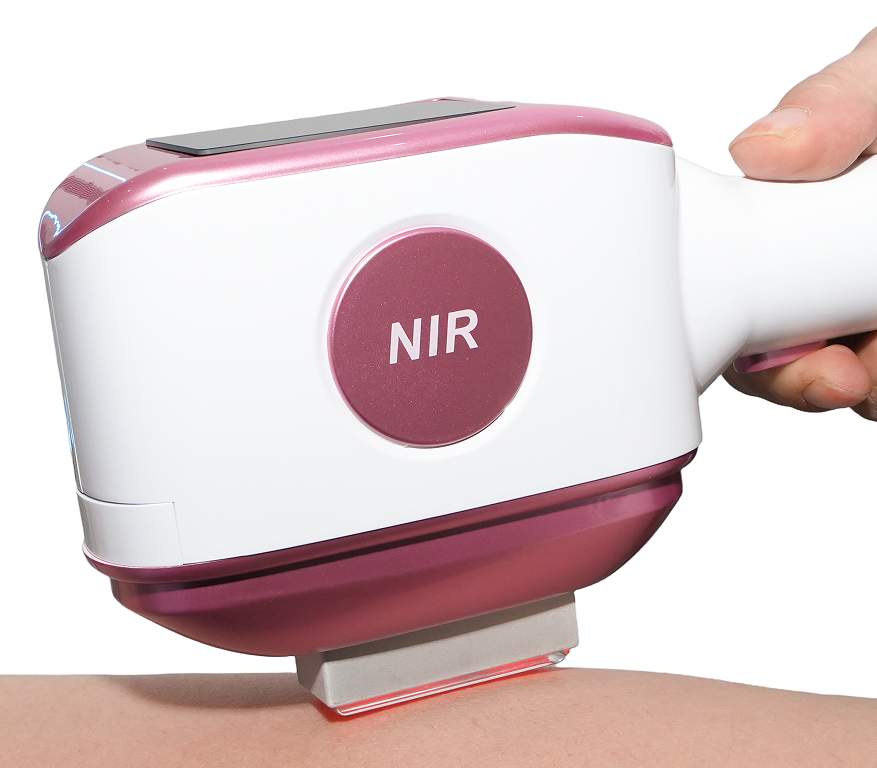 BBL NIR Hair Removal Machine for Salon Clinic Fast Safe All Skin Types
  Professional radio frequency machine for anti aging skin rejuvenation and body shaping
  5 in 1 Vela Shape Machine Cavitation Vacuum RF Roller Fat Reduction Device
  Fusion plasma beauty machine Professional Cold Hot Plasma Skin Rejuvenation Device