





Smart skin analysis technology is booming technology for furture
2025-10-20

Why smart skin-analysis devices are gaining traction
Smart skin-analysis technology is booming for several reasons
Precision meets personalization.** Traditional skincare consultations rely heavily on visual inspection and broad recommendations, but new tools can evaluate subsurface skin features (like hydration, pigmentation, pore size, micro-wrinkles) using imaging, AI and sensor data. One article says these tools “identify hidden damage, aging patterns, pore structure, pigmentation, and hydration levels” in seconds.
Remote and digital experience. With telemedicine and at-home beauty tech both expanding, being able to analyse skin via smartphone camera or small device means brands and clinics can offer virtual diagnostics and curated product/treatment recommendations. For example, one company offers an API/SDK so televisions or apps embed skin analysis during tele-visits.
Data, insight, loyalty.** Brands see smart skin analysis as a way to deepen engagement (consumers are curious about their skin), increase conversion (by recommending right products), and differentiate offerings. As one piece puts it: “We’re going from filters to making photorealistic simulations” and “skin analysis will become an increasingly vital tool to help meet those needs”.
Remote and digital experience. With telemedicine and at-home beauty tech both expanding, being able to analyse skin via smartphone camera or small device means brands and clinics can offer virtual diagnostics and curated product/treatment recommendations. For example, one company offers an API/SDK so televisions or apps embed skin analysis during tele-visits.
Data, insight, loyalty.** Brands see smart skin analysis as a way to deepen engagement (consumers are curious about their skin), increase conversion (by recommending right products), and differentiate offerings. As one piece puts it: “We’re going from filters to making photorealistic simulations” and “skin analysis will become an increasingly vital tool to help meet those needs”.
Technological maturity.** Tools are becoming more accurate and validated. For instance, a medical study found one AI-skin-analysis tool had test-retest reliability of ICC > 0.90 and high correlation to physician assessments.
* **Beyond beauty — into dermatology and health.** Some tools aim not just to recommend cosmetic products but to assist in skin-disease prevention (e.g., rapid skin cancer screening) or advanced metrics (e.g., skin oxygenation, blood volume via multispectral imaging).
* **Beyond beauty — into dermatology and health.** Some tools aim not just to recommend cosmetic products but to assist in skin-disease prevention (e.g., rapid skin cancer screening) or advanced metrics (e.g., skin oxygenation, blood volume via multispectral imaging).
Recent notable devices & launches
Here are a few of the most interesting recent launches or announcements in this space:
L’Oréal Groupe’s **Cell BioPrint**
L’Oréal unveiled a tabletop hardware device dubbed *Cell BioPrint* at CES 2025. It uses “micro-fluidic lab-on-a-chip” technology: the user applies a tape-strip on their cheek, which is then processed for proteomics (skin proteins) and the device uses that plus imaging to compute skin’s biological age, predict responsiveness to skincare ingredients, and surface potential future issues such as enlarged pores or hyper-pigmentation. ([Global Cosmetics News][6])
**Why it matters:**
* It moves beyond visual imaging into **biological profiling** of the skin (proteins, aging markers).
* It shows the shift from “what’s visible now” to “what’s coming” + “which ingredients will work for me”.
* It signals that brands are thinking of hardware + diagnostics, not just creams.
Caveats:
* It is still in pilot phase (Asia launch), with no broad consumer availability or published peer-review yet. Experts note the “scientific validity” remains uncertain. ([The Verge][7])
* Cost, usability and integration into routines remain to be seen.
* It shows the shift from “what’s visible now” to “what’s coming” + “which ingredients will work for me”.
* It signals that brands are thinking of hardware + diagnostics, not just creams.
Caveats:
* It is still in pilot phase (Asia launch), with no broad consumer availability or published peer-review yet. Experts note the “scientific validity” remains uncertain. ([The Verge][7])
* Cost, usability and integration into routines remain to be seen.
SmartSKN’s **Muilli AI Dermascope**
SmartSKN introduced a portable skin analyzer, the “Muilli AI Dermascope”, in late 2024. It’s aimed at both consumers and professionals. The device features 60× magnification, bio-impedance sensors, and a database of 150,000+ skin profiles. It analyses wrinkles, pores, oil levels, dryness, pigmentation and claims ~98.3% accuracy.
Why it matters:
* It brings clinical-level diagnostics into “portable / in-home” form factor.
* It connects diagnostics with **hyper-personalised formulations**: SmartSKN pairs the analysis with custom-made skincare (via their “K-AI” line) shipping to the user.
**Caveats:**
* As with many new devices, independent long-term efficacy, consumer adherence and cost of the full system (device + custom formulas) matter.
* Home use means consumers need some discipline and interpretation to get value.
* It connects diagnostics with **hyper-personalised formulations**: SmartSKN pairs the analysis with custom-made skincare (via their “K-AI” line) shipping to the user.
**Caveats:**
* As with many new devices, independent long-term efficacy, consumer adherence and cost of the full system (device + custom formulas) matter.
* Home use means consumers need some discipline and interpretation to get value.
Perfect Corp.’s AI Skin-Analysis Platform
Perfect Corp., a beauty tech provider, has several announcements worth noting:
* Their “Real-Time Skin Analysis” tool won the “Best Outcomes, Customer Experience” category in the 2025 Newsweek AI Impact Awards.
* A recent medical study found that their AI skin diagnosis had excellent test-retest reliability (ICC > 0.90) and high correlation with physicians and standard imaging devices.
* They offer software tools (API / SDK / apps) that brands and clinics can integrate to evaluate skin via smartphone, across wrinkles, pores, redness, acne, spots, etc.
* A recent medical study found that their AI skin diagnosis had excellent test-retest reliability (ICC > 0.90) and high correlation with physicians and standard imaging devices.
* They offer software tools (API / SDK / apps) that brands and clinics can integrate to evaluate skin via smartphone, across wrinkles, pores, redness, acne, spots, etc.
Why it matters:
* It shows the “software only” route (no special hardware) is viable and being adopted.
* It reinforces that skin-analysis tech is becoming credible (medical study) and operational (used by brands/retail).
* For consumers, that means diagnostics can come via apps or online consultations—not just expensive clinics.
* It reinforces that skin-analysis tech is becoming credible (medical study) and operational (used by brands/retail).
* For consumers, that means diagnostics can come via apps or online consultations—not just expensive clinics.
Spectricity’s Multispectral Skin Analysis on Mobile
Spectricity demonstrated a mobile skin-analysis experience (CES 2025 / Photonics West 2025) using a multispectral sensor (15 color channels vs typical RGB) attached to a tablet plus AI algorithms from partner Lululab. The metrics include melanin map, blood volume, skin oxygenation, individual skin tone (Pantone reference) and classification of skin type. ([Spectricity][10])
Why it matters:
* Multispectral imaging introduces **new metrics** beyond the visible spectrum (e.g., blood volume, oxygenation) enabling deeper skin insight.
* Mobile/attachment style makes it more accessible (tablet + sensor) vs large clinic machines.
* Enables advanced diagnostics like differentiating dark circles caused by blood volume vs pigmentation.
**Caveats:**
* As with many emerging technologies, consumer deployment and cost are still to scale.
* Interpretation of “oxygenation” or “blood volume” for everyday skincare remains a challenge for user understanding.
* Mobile/attachment style makes it more accessible (tablet + sensor) vs large clinic machines.
* Enables advanced diagnostics like differentiating dark circles caused by blood volume vs pigmentation.
**Caveats:**
* As with many emerging technologies, consumer deployment and cost are still to scale.
* Interpretation of “oxygenation” or “blood volume” for everyday skincare remains a challenge for user understanding.
Key trends & implications
Here are several important trends and the implications for consumers, brands and clinicians.
1. Shift from “what you see” to “what’s under / what’s coming”
Earlier skin-analysis tools focused on surface features (wrinkles, pores, spots) visible to the camera. Newer devices are targeting deeper biomarkers (proteins, oxygenation, blood volume, skin responsiveness) and predictive insights (how your skin will age, how it will respond).
This means the value proposition moves from “what’s wrong” to “what’s next + what works for me”.
This means the value proposition moves from “what’s wrong” to “what’s next + what works for me”.
2. From hardware-only to software + hardware + services
* Hardware: devices, sensors, attachments, imaging booths.
* Software: AI analysis, apps, integrations, brand ecosystems.
* Services: personalized formulations, product prescription, tele-consultations, subscriptions.
Consumers can expect bundled offerings rather than standalone gadgets.
* Software: AI analysis, apps, integrations, brand ecosystems.
* Services: personalized formulations, product prescription, tele-consultations, subscriptions.
Consumers can expect bundled offerings rather than standalone gadgets.
3. Accessibility & scalability
With smartphone-based or portable devices, skin analysis is no longer limited to high-end clinics. Brands can integrate diagnostics into online shopping, tele-visits, retail kiosks. This broadens the market exponentially.
4. Data, trust & validation
For consumers to trust skin-analysis results, they need reliability, consistency, and transparency. Medical-study validations (e.g., ICC > 0.90) are beginning to provide this. ([PERFECT][4])
However, there remain regulatory, privacy and scientific-validation questions, especially when claims include future predictions or personalized “which ingredient works for me”.
However, there remain regulatory, privacy and scientific-validation questions, especially when claims include future predictions or personalized “which ingredient works for me”.
5. Cross-industry overlap: beauty, wellness, dermatology
While many devices target the beauty/consumer market, there is overlapping interest in medically-oriented skin diagnostics (skin cancer screening, monitoring dermatological conditions). For example, one company’s AI tool is being used in NHS skin-cancer pathways. ([Skin Analytics][5])
This convergence means that consumer devices may borrow clinical tech, and conversely, beauty devices may need to adhere to stricter regulatory standards.
This convergence means that consumer devices may borrow clinical tech, and conversely, beauty devices may need to adhere to stricter regulatory standards.
6. Potential consumer pitfalls
* Over-hyping: Some devices claim “predict future skin problems” or “tell exactly which ingredient will work”, and those claims may exceed current evidence. For instance, the L’Oréal Cell BioPrint has not yet publicly released peer-reviewed validation. ([The Verge][7])
* Cost & complexity: Devices + subscriptions + personalized product lines may cost much more than standard skincare.
* Data literacy: Users need to understand what the diagnostics mean and whether recommended products/treatments genuinely add value.
* Privacy & data security: Skin analysis involves imaging and potentially biological data; brands must responsibly manage sensitive user data.
* Adoption fatigue: If devices are too complex or time-consuming, they risk ending up as gimmicks.
* Cost & complexity: Devices + subscriptions + personalized product lines may cost much more than standard skincare.
* Data literacy: Users need to understand what the diagnostics mean and whether recommended products/treatments genuinely add value.
* Privacy & data security: Skin analysis involves imaging and potentially biological data; brands must responsibly manage sensitive user data.
* Adoption fatigue: If devices are too complex or time-consuming, they risk ending up as gimmicks.
What this means for you as a consumer
If you’re interested in leveraging smart skin-analysis tech (for personal use or professional), here are some practical take-aways:
* **Look for validated algorithms/devices.** Check if the device/tool has independent studies showing consistency or correlation with clinical assessments (e.g., the Perfect Corp. study).
* **Understand the output.** When the tool says “your skin is likely to respond poorly to X ingredient” or “your skin oxygenation is low”, ask what that means — and what actionable step is
* **Understand the output.** When the tool says “your skin is likely to respond poorly to X ingredient” or “your skin oxygenation is low”, ask what that means — and what actionable step is
recommended.
* **Be realistic about benefits.** These devices add insight, but they don’t replace good skincare practices (sunscreen, healthy lifestyle, dermatologist visits for serious issues).
* **Privacy matters.** Ensure the company’s data handling and privacy policy is clear, especially if images or biomarker data are being collected.
* **Cost vs benefit.** Consider if you’ll use it regularly (tracking changes over time) and if the personalized treatments/products recommended are within your budget and aligned with your needs.
* **Use as a supplement, not sole source.** Smart skin-analysis can guide and enhance decision-making, but it should complement professional advice (e.g., from a dermatologist) especially for serious skin issues.
* **Be realistic about benefits.** These devices add insight, but they don’t replace good skincare practices (sunscreen, healthy lifestyle, dermatologist visits for serious issues).
* **Privacy matters.** Ensure the company’s data handling and privacy policy is clear, especially if images or biomarker data are being collected.
* **Cost vs benefit.** Consider if you’ll use it regularly (tracking changes over time) and if the personalized treatments/products recommended are within your budget and aligned with your needs.
* **Use as a supplement, not sole source.** Smart skin-analysis can guide and enhance decision-making, but it should complement professional advice (e.g., from a dermatologist) especially for serious skin issues.
The horizon: what to watch
* **Wider consumer roll-outs.** Devices that before were only clinic-grade are moving into home/retail formats (e.g., portable analyzers, smartphone integrations).
* **Ingredient-effectiveness prediction.** Tools will increasingly claim to predict which skincare ingredients or treatments will work best for *you*.
* **Telehealth & retail integration.** Skin-analysis may become a standard part of virtual dermatology visits or retail kiosks (try-before-you-buy) for skincare.
* **Regulation & standardisation.** As devices venture into “health” rather than cosmetic territory, regulatory frameworks (FDA, CE-mark) will play a bigger role.
* **New sensor technologies.** Multispectral imaging, bio-impedance, proteomics, biomarker mapping – these will deepen the analytical capability of devices.
* **Subscription + personalization business models.** Expect more “device + regular scans + product shipments” offerings instead of one-time hardware purchases.
* **Ingredient-effectiveness prediction.** Tools will increasingly claim to predict which skincare ingredients or treatments will work best for *you*.
* **Telehealth & retail integration.** Skin-analysis may become a standard part of virtual dermatology visits or retail kiosks (try-before-you-buy) for skincare.
* **Regulation & standardisation.** As devices venture into “health” rather than cosmetic territory, regulatory frameworks (FDA, CE-mark) will play a bigger role.
* **New sensor technologies.** Multispectral imaging, bio-impedance, proteomics, biomarker mapping – these will deepen the analytical capability of devices.
* **Subscription + personalization business models.** Expect more “device + regular scans + product shipments” offerings instead of one-time hardware purchases.
In summary
Smart skin-analysis devices are rapidly evolving from novelty tools into serious platforms for personalization in skincare and dermatology. Advances in AI, sensor technology and data analysis are enabling devices and apps to provide deeper, more actionable insights about your skin — not just what you can see, but what’s happening beneath and what’s likely to happen next.
 High-Energy Intelligent Medical Shockwave Machine for Clinic and Rehabilitation Center
  PDT LED Photodynamic Therapy Light Device Innovative Technology Functional Advantages
  Cryolipolysis Equipment Technological Innovation and Industrial Application
 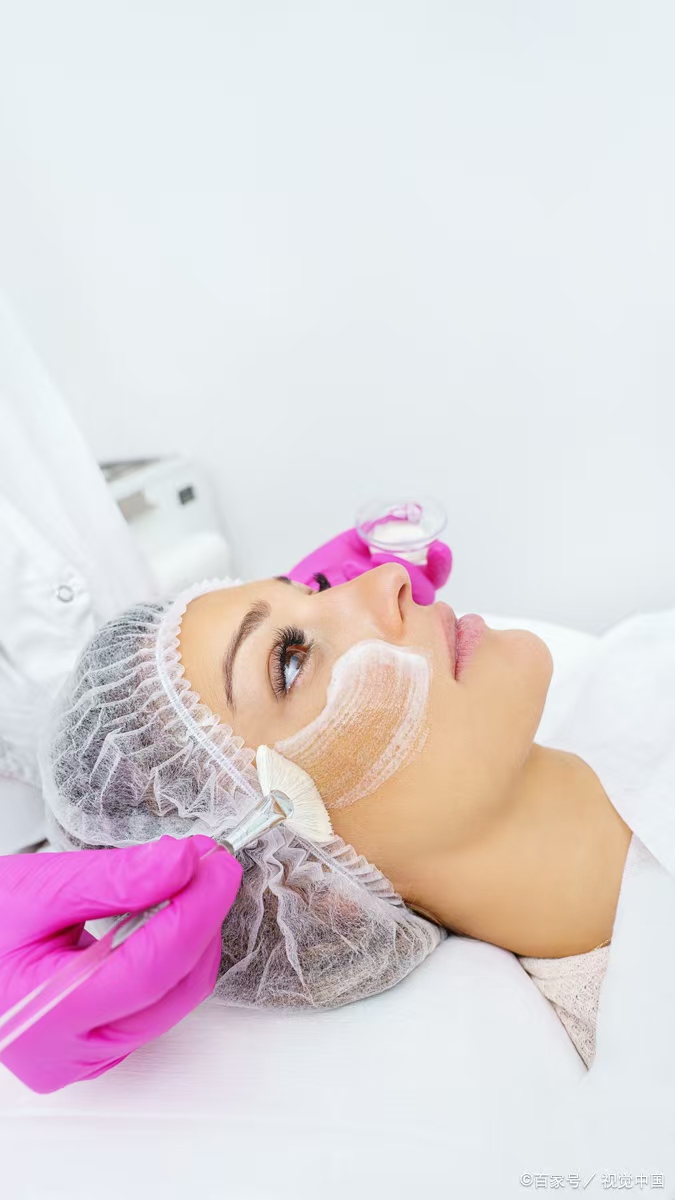 BBL NIR ND YAG Laser Machine Redefine Multi Modality Aesthetic Workflow for Modern Clinics
 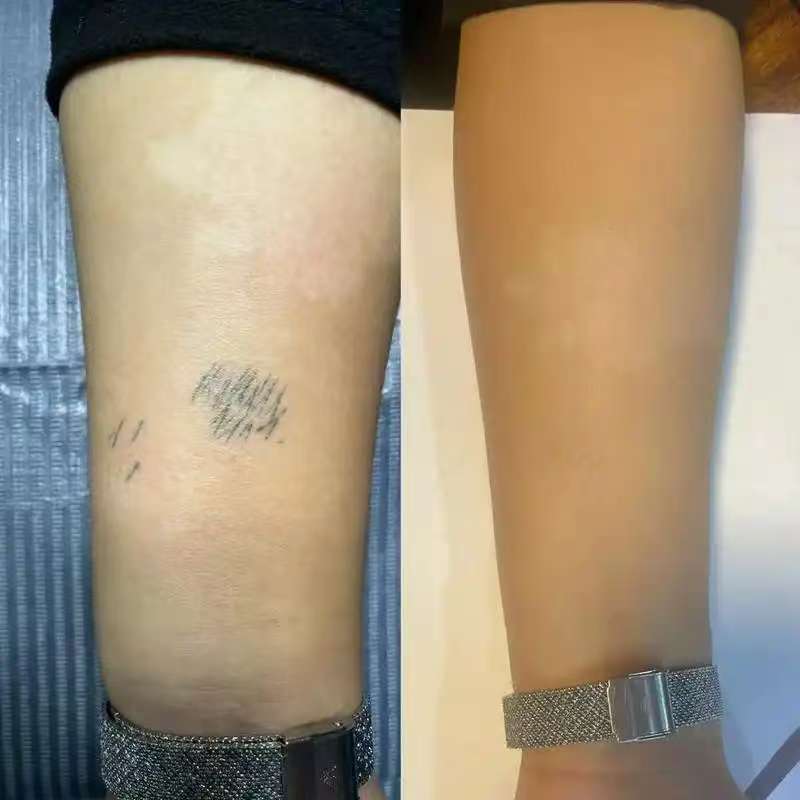 Picosecond Laser Machine Core Technology Industrial Advantages and Global Application Prospects
  Diode Laser Hair Removal Machine Advanced Technology for Permanent, Safe and Full Skin
  Picosecond Laser Tattoo Removal Machine Core Technology, Advantages and Clinical Application Prospects
  980nm Precision Diode Laser Device Professional Solution for Red Blood Streak Removal and Skin Rejuvenation
  Professional Picosecond laser tattoo removal machine with Multi-Wavelength System
  Commercial Grade BBL NIR Laser Hair Removal Machine for Full Body Hair Removal
  Professional AI Skin Analyzer Machine Manufacturer Factory Direct Supply
  Emsculpt body slimming machine 4 Handles OEM ODM For Beauty Salon
  Technological Innovation and Production Skin analysis equipment
 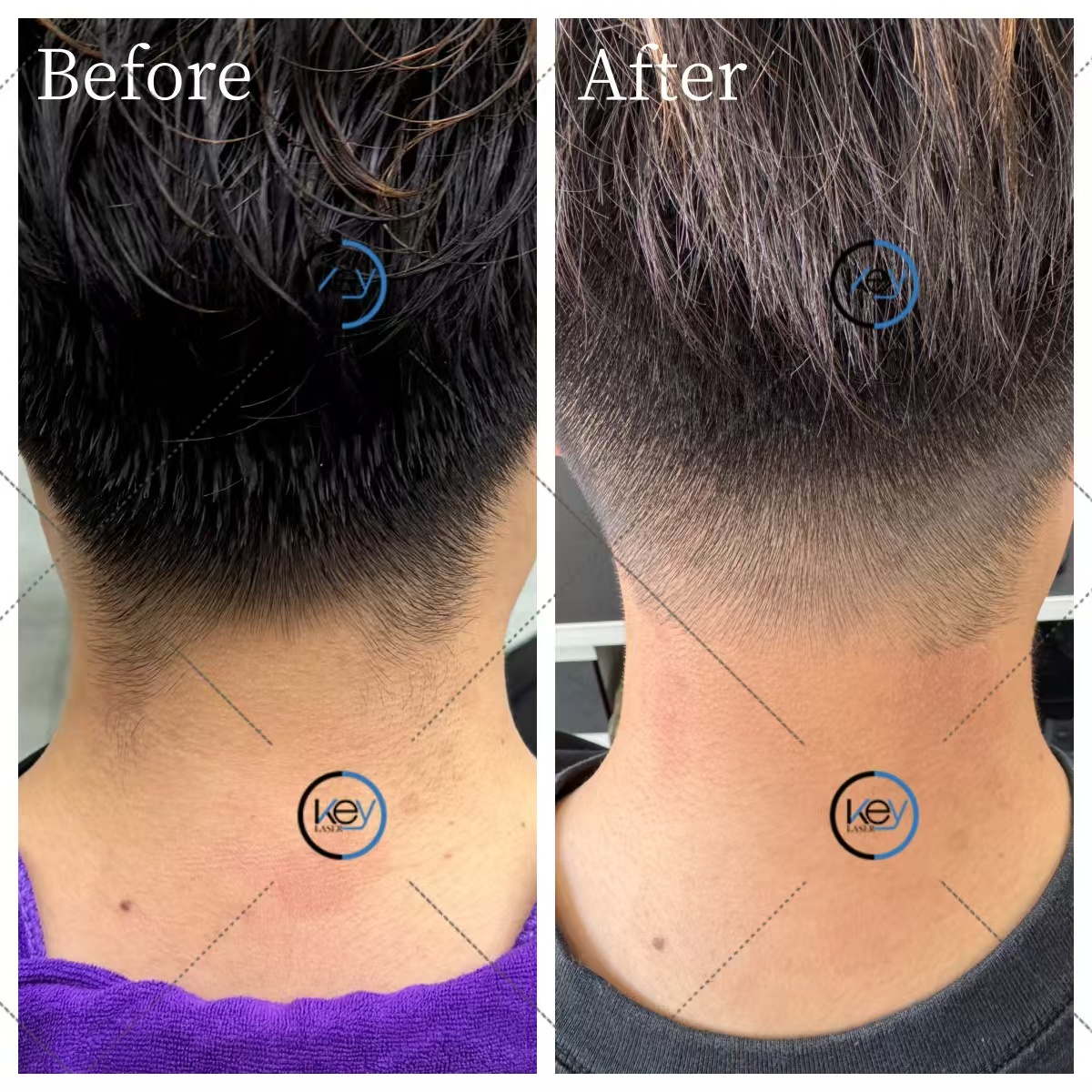 Alexandrite laser 755nm nd yag 1064nm machine Hair Tattoo Removal Skin Rejuvenation
  Hydrafacial Machine CE certified for beauty clinic wholesale purchase
  Fusion Plasma Machine ideal for beauty salon aesthetic clinic wholesale
 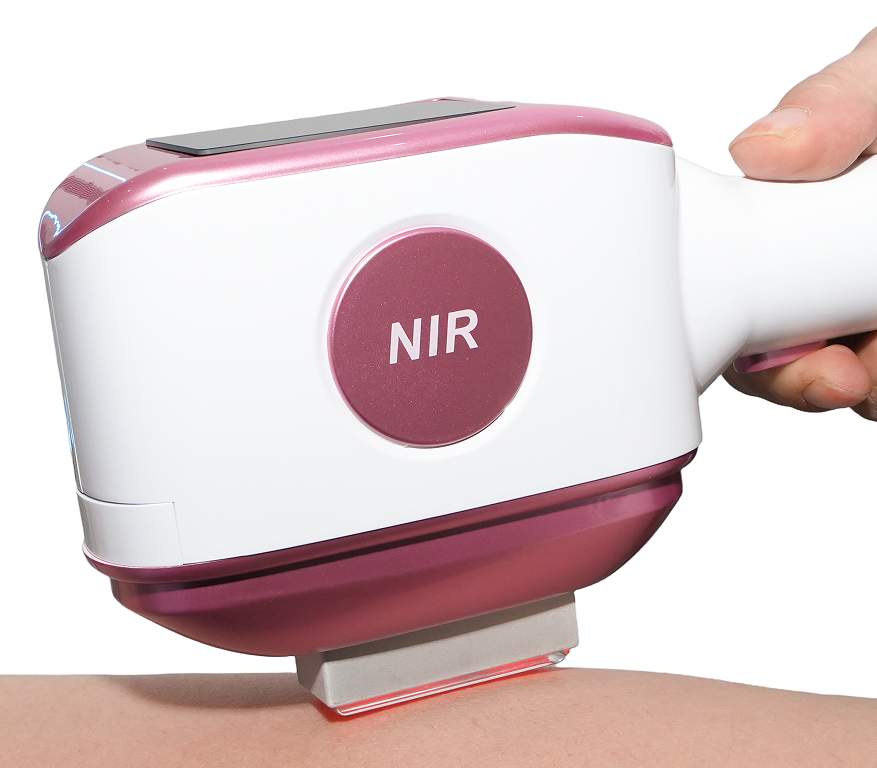 BBL NIR Hair Removal Machine for Salon Clinic Fast Safe All Skin Types
  Professional radio frequency machine for anti aging skin rejuvenation and body shaping
  5 in 1 Vela Shape Machine Cavitation Vacuum RF Roller Fat Reduction Device
  Fusion plasma beauty machine Professional Cold Hot Plasma Skin Rejuvenation Device