




Technological innovation of Medical LED phototherapy equipment

Technological Innovation of Medical LED phototherapy equipment
Introduction
Medical LED phototherapy equipment, with its advantages of non-invasiveness, low thermal damage, and precise control, has become a core treatment tool in the field of modern photomedicine. Its application scenarios are constantly expanding, from neonatal jaundice treatment to chronic wound repair. However, technical bottlenecks in equipment production—such as heat dissipation efficiency, light uniformity, and biocompatibility—remain challenges that the industry urgently needs to overcome. This article combines the latest research results and production practices to analyze the core technological paths and industrialization strategies of medical LED phototherapy equipment.
I. Core Technology Breakthroughs: Optimization from Materials to Drives
Spectral Design and Light Source Integration
The wavelength selection of the LED light source directly affects the treatment effect. For example, 630-660nm red light can promote collagen regeneration, while 415-450nm blue light has an inhibitory effect on Propionibacterium acnes. Through multi-chip combinations (such as red light + infrared light composite modules), the equipment can cover a wider range of treatment needs. The 308nm LED phototherapy instrument (SQ series) developed by Shanghai Sigma Co., Ltd. achieves targeted treatment of vitiligo through a narrow-spectrum light source.
Heat Dissipation and Structural Innovation
High power density (>40mW/cm²) easily leads to excessive surface temperature of devices (national standard ≤42℃). Heat dissipation is particularly problematic under traditional constant current drive methods. Solutions include:
PWM Pulse Drive: By adjusting the duty cycle (e.g., 1:5), peak power is maintained at low average power consumption, reducing heat accumulation.
Bionic Heat Dissipation Structure: Using a sawtooth or wave-shaped thermally conductive silicone layer (thermal conductivity >2W/m·K) increases the convection area; experiments show it can reduce surface temperature by 8-12℃.
Flexible Packaging Technology
For wearable devices, silicone packaging technology has achieved a key breakthrough:
Spaced-out Packaging Layer: The projected area of the upper surface of the packaging layer is smaller than that of the lower surface (e.g., a frustum-shaped cone structure), creating a buffer gap when bent, improving the device's ductility (stretch rate >30%).
Superhydrophobic Coating: Fluorine-containing coating (contact angle >150°) enhances water resistance while reducing light reflection loss through refractive index matching (silicone refractive index 1.4-1.5).
II. Production Process Standardization and Quality Control
Key Nodes in the Process Chain
Substrate Processing: Laser etching precision of polyimide (PI) or polyethylene terephthalate (PET) flexible circuit boards must reach ±0.02mm to ensure accurate alignment of electrodes and LEDs.
Optical Homogenization: Spot uniformity is improved from <50% to >90% through diffusion layers (such as PMMA microstructures) or fiber end modification.
Automated Inspection System
Spectral Calibration: A spectrometer is used to monitor output wavelength deviation in real time (±5nm tolerance), combined with a PID algorithm to dynamically adjust the drive current.
Thermal Imaging Monitoring: An infrared thermal imager (resolution 0.05℃) is used for mass production sampling inspection to ensure that the temperature rise of a single device is ≤3℃.
Environmental and Safety Compliance
Biocompatibility Testing: Cytotoxicity (MTT method) and sensitization (LLNA) assessments of silicone materials are conducted according to ISO 10993 standards.
EMC Protection: Electromagnetic radiation intensity is kept below the EN 55011 Class B limit through shielding (copper foil thickness ≥30μm) and filter circuit design.
III. Industrialization Challenges and Future Trends
Cost Control Bottleneck: In high-end equipment (such as smart phototherapy patches integrating microfluidic chips), Mini-LED chips account for over 40% of the BOM cost. Solutions include:
Flip Chip Process: Reduces gold wire bonding, improving yield to over 95%.
Roll-to-Roll Printed Electronics Technology: Reduces the manufacturing cost of flexible circuit boards (30% lower than traditional processes).
Intelligent Upgrade Path
AI-Assisted Treatment System: Real-time patient data is collected through wearable sensors (such as PPG optical heart rate modules), and machine learning algorithms are used to dynamically optimize illumination parameters (such as energy density and duty cycle).
Cloud Platform Management: Enables remote device monitoring and firmware OTA upgrades. For example, Sigma's "Phototherapy Center Operation Control Information Communication System" has been integrated into the hospital's HIS system.
Emerging Application Scenarios Expansion
Implantable Devices: Utilizing biodegradable encapsulation materials (such as polylactic-co-glycolic acid, PLGA), micro-LED arrays for neuromodulation have been developed, and optogenetic stimulation has already been achieved in animal experiments.
Photocatalytic Synergistic Therapy: Introducing TiO₂ nano-coatings into LED phototherapy enhances antibacterial effects through photocatalytic reactions. Clinical data shows a 40% increase in the healing speed of diabetic foot ulcers.
Conclusion: Medical LED phototherapy devices are evolving from single treatment tools towards "intelligent, precise, and wearable" solutions. In the future, with the deep integration of flexible electronics, AI algorithms, and biomaterials, devices will achieve lower invasiveness, higher treatment compliance, and wider clinical applicability. Manufacturers need to continuously invest in core technology research and development, while simultaneously building a quality management system compliant with ISO 13485 to address global competition and regulatory challenges.
 High-Energy Intelligent Medical Shockwave Machine for Clinic and Rehabilitation Center
  PDT LED Photodynamic Therapy Light Device Innovative Technology Functional Advantages
 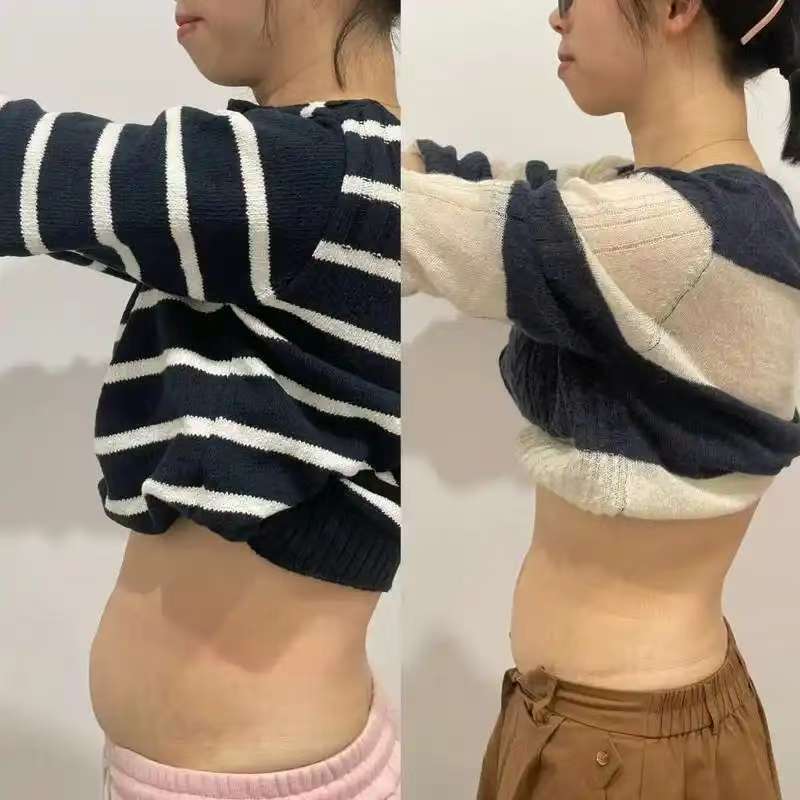 Cryolipolysis Equipment Technological Innovation and Industrial Application
  BBL NIR ND YAG Laser Machine Redefine Multi Modality Aesthetic Workflow for Modern Clinics
 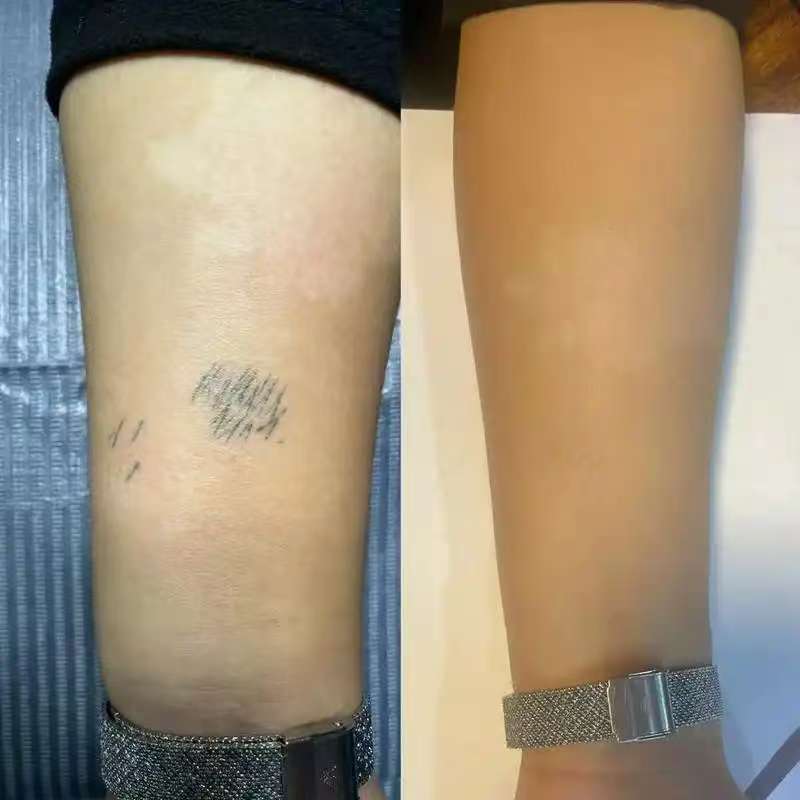 Picosecond Laser Machine Core Technology Industrial Advantages and Global Application Prospects
  Diode Laser Hair Removal Machine Advanced Technology for Permanent, Safe and Full Skin
  Picosecond Laser Tattoo Removal Machine Core Technology, Advantages and Clinical Application Prospects
  980nm Precision Diode Laser Device Professional Solution for Red Blood Streak Removal and Skin Rejuvenation
  Professional Picosecond laser tattoo removal machine with Multi-Wavelength System
  Commercial Grade BBL NIR Laser Hair Removal Machine for Full Body Hair Removal
  Professional AI Skin Analyzer Machine Manufacturer Factory Direct Supply
  Emsculpt body slimming machine 4 Handles OEM ODM For Beauty Salon
  Technological Innovation and Production Skin analysis equipment
 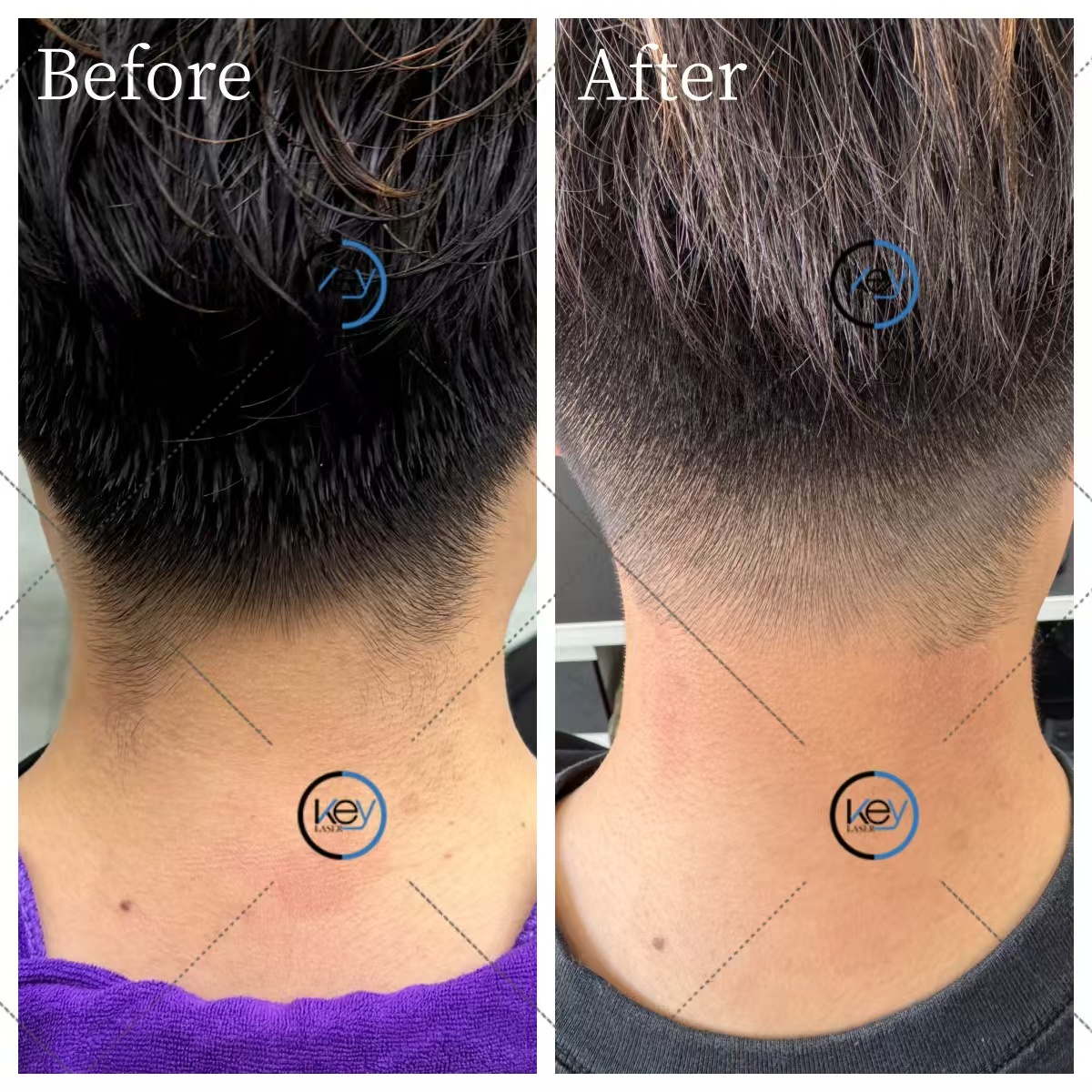 Alexandrite laser 755nm nd yag 1064nm machine Hair Tattoo Removal Skin Rejuvenation
  Hydrafacial Machine CE certified for beauty clinic wholesale purchase
  Fusion Plasma Machine ideal for beauty salon aesthetic clinic wholesale
 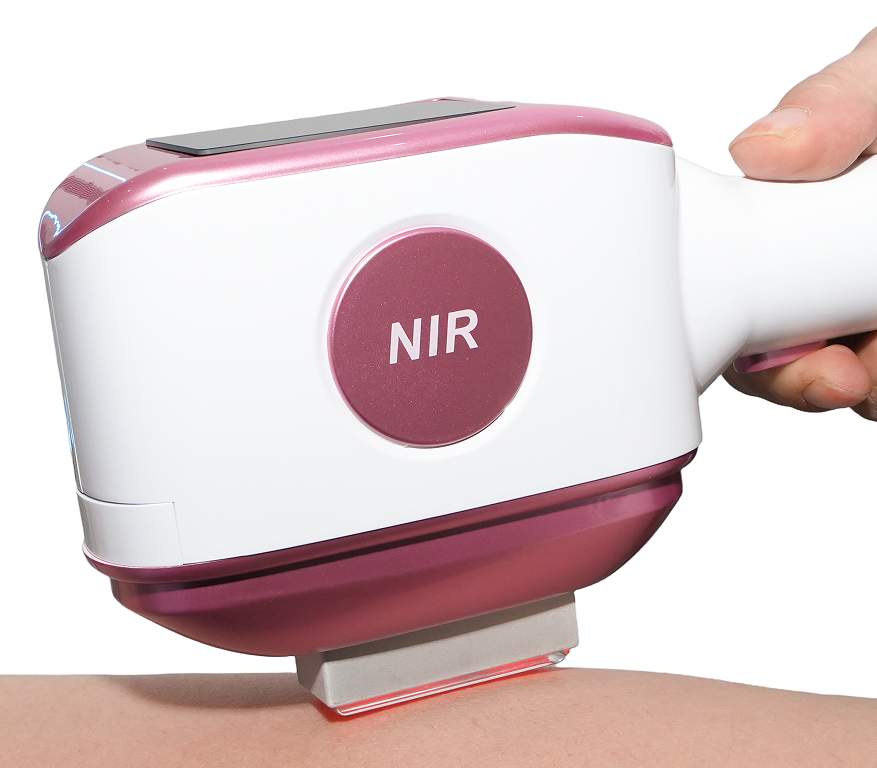 BBL NIR Hair Removal Machine for Salon Clinic Fast Safe All Skin Types
  Professional radio frequency machine for anti aging skin rejuvenation and body shaping
  5 in 1 Vela Shape Machine Cavitation Vacuum RF Roller Fat Reduction Device
  Fusion plasma beauty machine Professional Cold Hot Plasma Skin Rejuvenation Device