




The Rise of KPL IPL SHR Aesthetic Medicine Devices
2025-09-30

The Rise of KPL / IPL / SHR Devices in Aesthetic Medicine
In recent years, aesthetic clinics and beauty salons worldwide have increasingly adopted hybrid light-based hair removal systems, combining **KPL**, **IPL**, and **SHR** modalities to provide safer, more comfortable, and more versatile treatment options. These systems aim to harness the advantages of each technology: the broad targeting of IPL, the gradual heating and motion method of SHR, and the complementary benefits associated with KPL (a less familiar but emerging modality in the Chinese OEM market).
Manufacturers such as KeyLaser promote **KPL + IPL + SHR machines** as multifunctional platforms capable not only of hair reduction but also of skin rejuvenation, pigment removal, vascular lesion treatment, and wrinkle reduction. ([key-laser.com][1])
“New arrived Permanent KPL IPL SHR Laser Hair Removal Intense Pulsed Light machine” is one of the taglines seen on KeyLaser’s website, emphasizing both permanence and multipurpose use. ([key-laser.com]
Understanding the Technologies: How They Differ and Complement
IPL (Intense Pulsed Light)** delivers broad-spectrum pulses of light that are absorbed by melanin in hair shafts and follicles, converting light to heat and damaging the hair’s growth mechanisms. However, conventional IPL uses single or multiple high-energy pulses and carries risks of burns, particularly on darker skin tones. ([medicalexpo.com][2])
SHR (Super Hair Removal)** uses a gentler, incremental heating approach: multiple low-fluence pulses in quick succession (e.g., 10 Hz) while moving the handpiece (“in motion”) across the skin. This spreads the energy more evenly, lowers peak intensity, and reduces discomfort and side effects. It also shifts the target more toward the hair stem cells (rather than just melanin in the shaft) to overcome treatment during different hair growth phases.
In many hybrid units, **KPL** is positioned as an adjunctive mode that complements IPL/SHR. Some vendors tout that KPL helps with tissue impedance balancing, preheating of skin, or enhanced energy absorption, often aiming to provide “painless” or “low discomfort” sessions when combined. ([lifewavesltd.com][4])
SHR (Super Hair Removal)** uses a gentler, incremental heating approach: multiple low-fluence pulses in quick succession (e.g., 10 Hz) while moving the handpiece (“in motion”) across the skin. This spreads the energy more evenly, lowers peak intensity, and reduces discomfort and side effects. It also shifts the target more toward the hair stem cells (rather than just melanin in the shaft) to overcome treatment during different hair growth phases.
In many hybrid units, **KPL** is positioned as an adjunctive mode that complements IPL/SHR. Some vendors tout that KPL helps with tissue impedance balancing, preheating of skin, or enhanced energy absorption, often aiming to provide “painless” or “low discomfort” sessions when combined. ([lifewavesltd.com][4])
The synergy allows more flexible settings: a clinic may use high-intensity IPL in areas with good contrast (light skin, dark hair) or switch to SHR / KPL modes for more sensitive areas, darker skin tones, or fine hair. Many systems offer filtering, cooling contacts (sapphire or sapphire + contact cooling), and adjustable spot sizes to optimize safety and comfort. ([keslaseripl.com][5])
Market Trends: Growth, Competition, and Innovation
1. Increased OEM competition from China**
A significant share of newer KPL/IPL/SHR machines originates from Chinese manufacturers (e.g. KeyLaser, KES Laser). These firms often highlight factory pricing, OEM/ODM customization, and multifunctionality as their competitive edges. ([key-laser.com][6])
A significant share of newer KPL/IPL/SHR machines originates from Chinese manufacturers (e.g. KeyLaser, KES Laser). These firms often highlight factory pricing, OEM/ODM customization, and multifunctionality as their competitive edges. ([key-laser.com][6])
2. **Emphasis on “painlessness” and comfort**
Many of the machine adverts now highlight “virtually pain-free” or “comfortable” treatments. The integration of sapphire contact cooling, lower energy pulses, and motion techniques help reduce discomfort. ([key-laser.com][7])
Many of the machine adverts now highlight “virtually pain-free” or “comfortable” treatments. The integration of sapphire contact cooling, lower energy pulses, and motion techniques help reduce discomfort. ([key-laser.com][7])
3. **Broader skin tone and hair type claims**
To widen the addressable market, vendors claim that hybrid KPL/IPL/SHR systems can treat skin types up to Fitzpatrick V or VI, and fine hairs, using adjustable wavelength ranges (e.g. 650–950 nm in SHR modes) and multiple passes. ([keslaseripl.com][5])
To widen the addressable market, vendors claim that hybrid KPL/IPL/SHR systems can treat skin types up to Fitzpatrick V or VI, and fine hairs, using adjustable wavelength ranges (e.g. 650–950 nm in SHR modes) and multiple passes. ([keslaseripl.com][5])
4. **Multifunctionality as a selling point**
Apart from hair removal, these devices are often marketed for skin rejuvenation, pigmentation correction, acne therapy, vascular lesion removal, and wrinkle smoothing. This helps clinics justify the purchase by using the same machine across multiple services. ([keslaseripl.com][5])
Apart from hair removal, these devices are often marketed for skin rejuvenation, pigmentation correction, acne therapy, vascular lesion removal, and wrinkle smoothing. This helps clinics justify the purchase by using the same machine across multiple services. ([keslaseripl.com][5])
5. **Regulatory & certification pressure**
Exporters often cite medical CE, FDA, or other regulatory certifications to reassure buyers in western markets. There is increasing scrutiny of safety, quality, and documentation, pushing vendors to refine reliability, cooling systems, and warranty/maintenance support. ([keslaseripl.com][5])
Exporters often cite medical CE, FDA, or other regulatory certifications to reassure buyers in western markets. There is increasing scrutiny of safety, quality, and documentation, pushing vendors to refine reliability, cooling systems, and warranty/maintenance support. ([keslaseripl.com][5])
Clinical Evidence & Challenges
While many machine vendors highlight strong results, a gap often remains between marketing claims and peer-reviewed clinical data:
* A comparative review in *PMC* (Karaca et al.) notes that while IPL offers lower cost and larger spot sizes, it may require more sessions and carry a greater side effect risk; SHR modes integrated into IPL systems may reduce those risks. ([PMC][8])
* Theoretical explanations suggest SHR’s gradual heating, multiple pulses, and lower peaks reduce damage to adjacent skin tissue; the target shifts more to follicle stem cells rather than only pigment in hair shafts. ([Dermacare][3])
* However, robust long-term studies comparing KPL/IPL/SHR hybrids against gold-standard single-wavelength lasers (e.g. Alexandrite, Nd:YAG) are still relatively limited in peer literature.
* Theoretical explanations suggest SHR’s gradual heating, multiple pulses, and lower peaks reduce damage to adjacent skin tissue; the target shifts more to follicle stem cells rather than only pigment in hair shafts. ([Dermacare][3])
* However, robust long-term studies comparing KPL/IPL/SHR hybrids against gold-standard single-wavelength lasers (e.g. Alexandrite, Nd:YAG) are still relatively limited in peer literature.
Challenges persist:
* Calibration and operator skill are critical to avoiding burns, uneven results, or hypo-/hyper-pigmentation.
* People with very light hair pigment (blond, red) or low hair density remain difficult to treat reliably.
* The notion of “permanent” hair removal is misleading—many systems aim for very long-term reduction, but hormonal changes and regrowth cycles often necessitate maintenance treatments.
* Device reliability, cooling system breakdowns, warranty support, and after-sales service are common complaints with lower-end machines.
* People with very light hair pigment (blond, red) or low hair density remain difficult to treat reliably.
* The notion of “permanent” hair removal is misleading—many systems aim for very long-term reduction, but hormonal changes and regrowth cycles often necessitate maintenance treatments.
* Device reliability, cooling system breakdowns, warranty support, and after-sales service are common complaints with lower-end machines.
Recent “Newsworthy” Moves & Innovations
While there is limited *mainstream press* coverage on KPL/IPL/SHR specifically, some notable developments include:
* **New product launches**
KeyLaser regularly announces “new arrived KPL IPL SHR” machines with sapphire handpieces and factory-direct pricing. ([key-laser.com][1])
* **Feature upgrades**
Some new models increase spot size (e.g. 15×50 mm in SHR), integrate better cooling (air + water + sapphire contact), and support all-day continuous operation (e.g. 12 h) for clinics. ([keslaseripl.com][9])
* **Market education and competition**
Blogs and aesthetic service providers are publishing comparative guides (e.g. “SHR vs IPL vs Laser”) to educate consumers and drive demand for more advanced systems. ([Wellaholic][10])
* **Regulation & certification emphasis**
Increasing mention of CE, FDA, medical-grade standards in vendor literature suggests a push toward more rigorous device compliance to penetrate more regulated markets. ([keslaseripl.com][5])
KeyLaser regularly announces “new arrived KPL IPL SHR” machines with sapphire handpieces and factory-direct pricing. ([key-laser.com][1])
* **Feature upgrades**
Some new models increase spot size (e.g. 15×50 mm in SHR), integrate better cooling (air + water + sapphire contact), and support all-day continuous operation (e.g. 12 h) for clinics. ([keslaseripl.com][9])
* **Market education and competition**
Blogs and aesthetic service providers are publishing comparative guides (e.g. “SHR vs IPL vs Laser”) to educate consumers and drive demand for more advanced systems. ([Wellaholic][10])
* **Regulation & certification emphasis**
Increasing mention of CE, FDA, medical-grade standards in vendor literature suggests a push toward more rigorous device compliance to penetrate more regulated markets. ([keslaseripl.com][5])
-
Recommendations
* Continued adoption in mid-tier clinics**
KPL/IPL/SHR hybrids may proliferate in clinics seeking flexibility and lower upfront cost compared to dedicated high-powered laser systems. Their multifunctionality gives them an edge in smaller setups.
KPL/IPL/SHR hybrids may proliferate in clinics seeking flexibility and lower upfront cost compared to dedicated high-powered laser systems. Their multifunctionality gives them an edge in smaller setups.
* Need for stronger clinical validation**
To go mainstream, these devices must be backed by randomized controlled trials, comparative long-term outcome data, and standardized safety benchmarks.
To go mainstream, these devices must be backed by randomized controlled trials, comparative long-term outcome data, and standardized safety benchmarks.
*Differentiation via quality and support**
Vendor competitiveness will increasingly hinge not just on specs, but on cooling robustness, handpiece durability, ease of maintenance, training support, and warranties.
Vendor competitiveness will increasingly hinge not just on specs, but on cooling robustness, handpiece durability, ease of maintenance, training support, and warranties.
* Consumer awareness will shape demand**
As patients read more blogs comparing SHR vs IPL vs laser, their expectations will grow — pushing clinics to adopt more comfortable, safer, and well-supported devices.
As patients read more blogs comparing SHR vs IPL vs laser, their expectations will grow — pushing clinics to adopt more comfortable, safer, and well-supported devices.
* **Regulation vigilance**
 High-Energy Intelligent Medical Shockwave Machine for Clinic and Rehabilitation Center
  PDT LED Photodynamic Therapy Light Device Innovative Technology Functional Advantages
 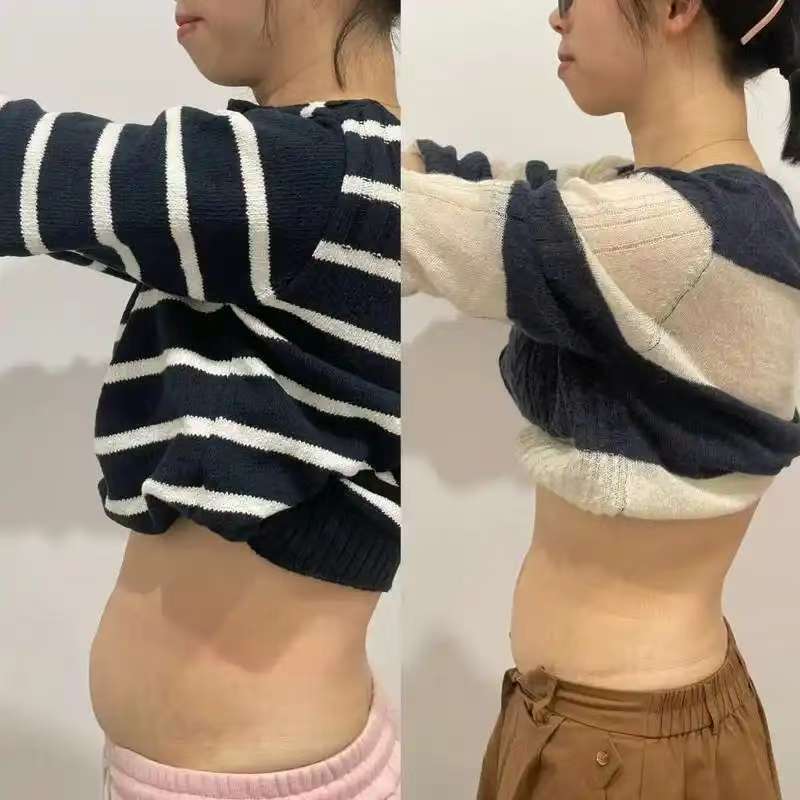 Cryolipolysis Equipment Technological Innovation and Industrial Application
  BBL NIR ND YAG Laser Machine Redefine Multi Modality Aesthetic Workflow for Modern Clinics
 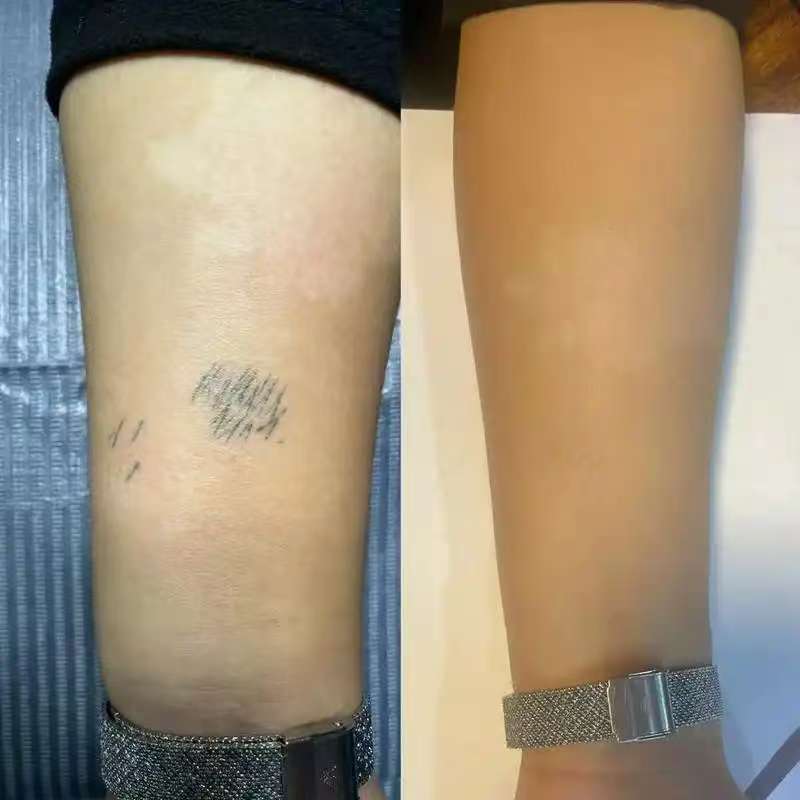 Picosecond Laser Machine Core Technology Industrial Advantages and Global Application Prospects
  Diode Laser Hair Removal Machine Advanced Technology for Permanent, Safe and Full Skin
  Picosecond Laser Tattoo Removal Machine Core Technology, Advantages and Clinical Application Prospects
  980nm Precision Diode Laser Device Professional Solution for Red Blood Streak Removal and Skin Rejuvenation
  Professional Picosecond laser tattoo removal machine with Multi-Wavelength System
  Commercial Grade BBL NIR Laser Hair Removal Machine for Full Body Hair Removal
  Professional AI Skin Analyzer Machine Manufacturer Factory Direct Supply
  Emsculpt body slimming machine 4 Handles OEM ODM For Beauty Salon
  Technological Innovation and Production Skin analysis equipment
 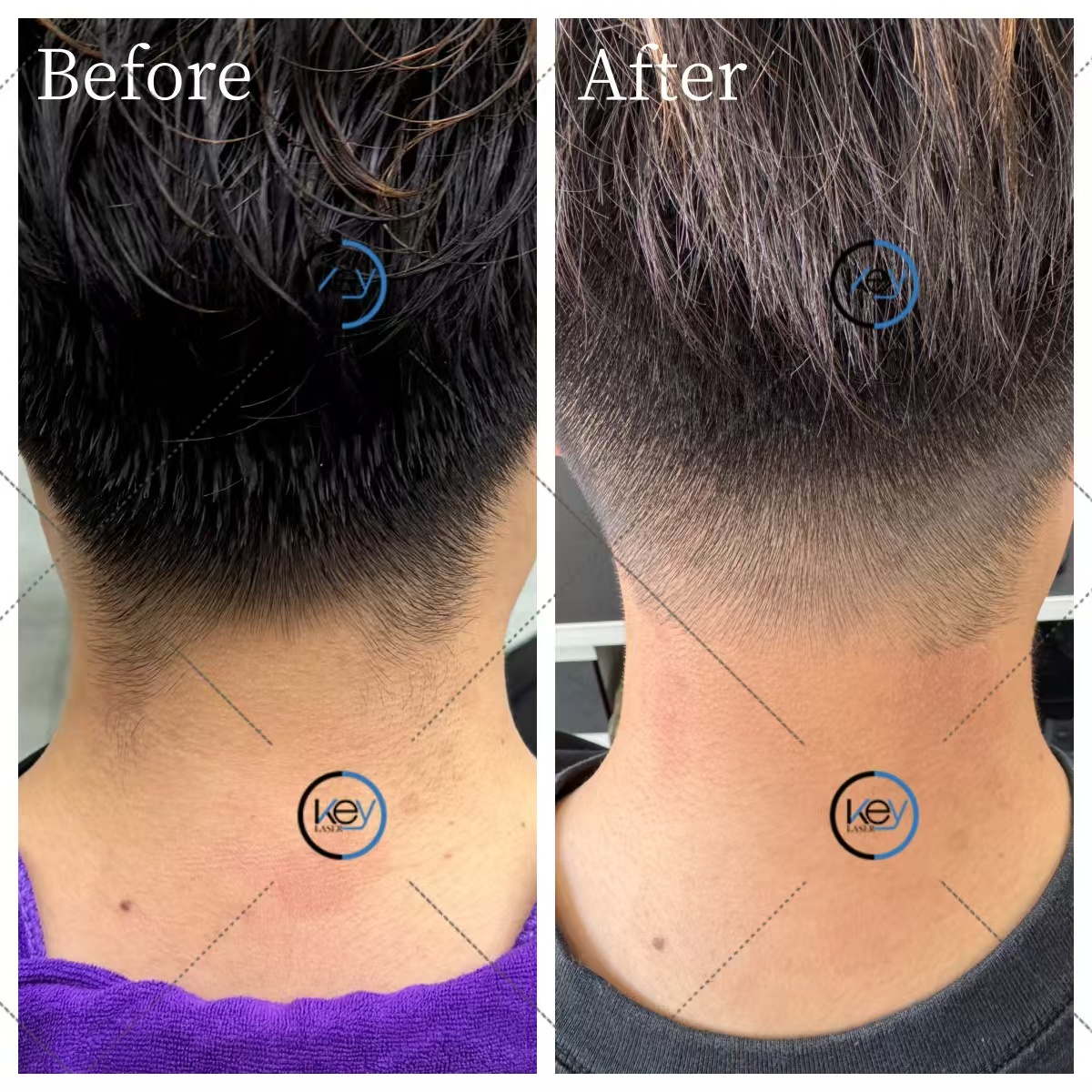 Alexandrite laser 755nm nd yag 1064nm machine Hair Tattoo Removal Skin Rejuvenation
  Hydrafacial Machine CE certified for beauty clinic wholesale purchase
  Fusion Plasma Machine ideal for beauty salon aesthetic clinic wholesale
 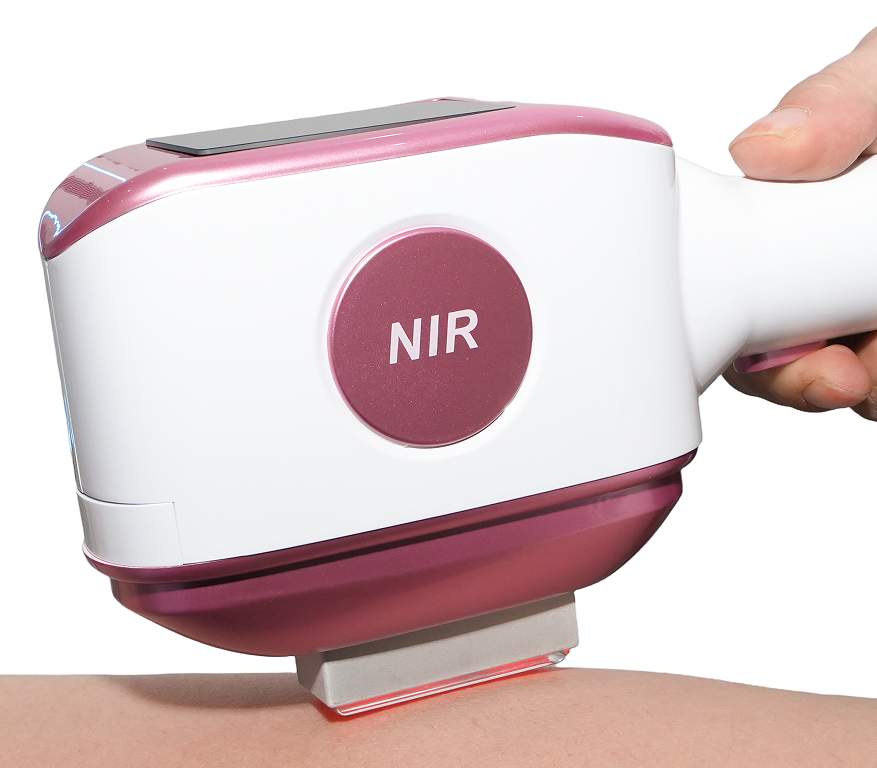 BBL NIR Hair Removal Machine for Salon Clinic Fast Safe All Skin Types
  Professional radio frequency machine for anti aging skin rejuvenation and body shaping
  5 in 1 Vela Shape Machine Cavitation Vacuum RF Roller Fat Reduction Device
  Fusion plasma beauty machine Professional Cold Hot Plasma Skin Rejuvenation Device